US Intelligence Reveals China Preparing Weapons Shipment to Iran: Full Report — analysis of Beijing’s position, the CPEC angle, and what China’s move means for Pakistan and the broader regional balance. Verified reporting from Nai Khabar’s foreign affairs desk.
In a major development that could dramatically escalate the Middle East crisis, US intelligence sources have indicated that China is preparing to ship advanced weapons systems to Iran. The revelation, first reported by CNN and confirmed by multiple Western intelligence agencies, threatens to shatter the fragile ceasefire and draw major world powers deeper into the conflict.
Us Intelligence Reveals: Key Context & Background
This section provides additional context on us intelligence reveals — including background, key players, and the Pakistani perspective that shapes our reporting on us intelligence reveals.
Intelligence Details
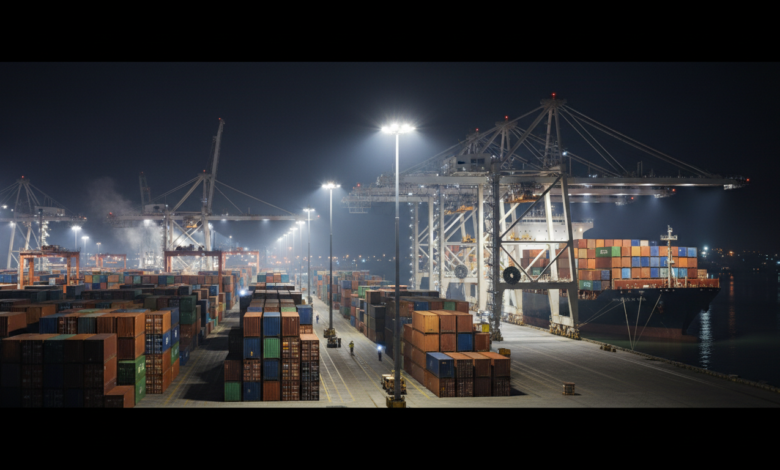
According to US officials, satellite imagery and signals intelligence have captured unusual movements at several Chinese military-industrial facilities. The equipment being prepared reportedly includes advanced anti-aircraft systems, drone technology, and potentially surface-to-surface missiles. Delivery routes being monitored include both maritime corridors through the South China Sea and overland routes through Central Asia.
What Weapons Are Involved
While official details remain classified, defense analysts suggest the shipment could include:
- HQ-9 long-range surface-to-air missile systems
- Loitering munitions and combat drones
- Electronic warfare equipment
- Anti-ship missile technology
- Advanced radar and early warning systems

China’s Strategic Calculation
Beijing’s apparent decision to arm Iran represents a significant shift in Chinese foreign policy. Traditionally, China has maintained a careful balance in the Middle East, cultivating relationships with Iran, Saudi Arabia, and Israel simultaneously. By openly supporting Iran militarily, China signals a willingness to challenge US dominance in the region.
Economic Interests
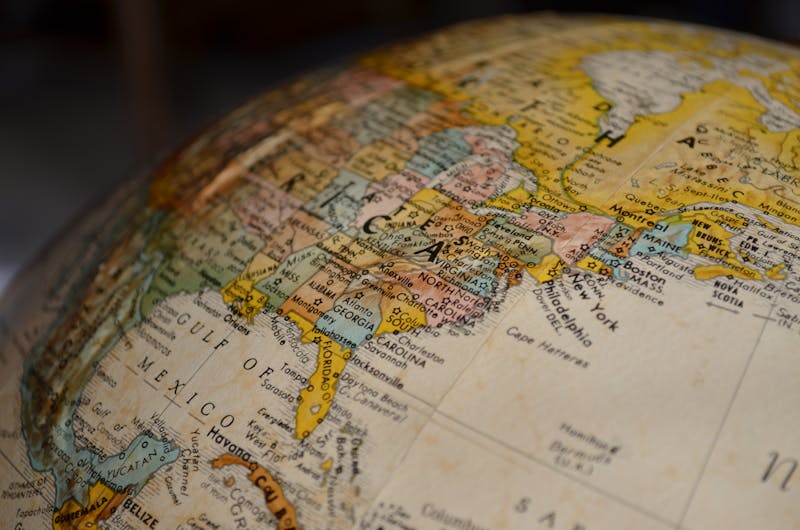
China relies heavily on Iranian oil and views Iran as a crucial partner in its Belt and Road Initiative. The Strait of Hormuz, through which roughly 20% of global oil passes, is of critical importance to Chinese energy security. Any disruption could have devastating effects on China’s economy.
Washington’s Response
The Biden administration has expressed serious concern about these developments. Secretary of State officials have summoned Chinese diplomats for emergency consultations, while the Pentagon is reviewing potential responses. Senator committees on both sides of Congress have called for strong action.
Sanctions on the Table
Washington is reportedly considering a new round of secondary sanctions targeting Chinese companies involved in any weapons transfers. This would mark the first time such wide-ranging sanctions have been applied to a G20 nation. Treasury Department officials are also exploring financial measures that could affect major Chinese banks.

Pakistan Caught in the Middle
For Pakistan, the China-Iran weapons report creates a delicate diplomatic challenge. China is Pakistan’s closest ally and largest trading partner, while Iran shares a long border and growing strategic ties. Islamabad has already been playing mediator between Iran and the US, and this new development complicates that role significantly.
Foreign Office sources indicate Pakistan is working through back channels to prevent the situation from escalating further. Prime Minister Shehbaz Sharif is expected to raise the issue during his next call with Chinese leadership.
Global Market Impact
News of potential Chinese weapons shipments has already rattled global markets. Oil prices jumped 4% in early trading, while Asian stock markets recorded their biggest losses in six months. Currency traders have moved into safe-haven assets, with the US dollar and Japanese yen gaining against most major currencies.
Analysts warn that if the shipments are confirmed, we could see oil prices spike above $120 per barrel, triggering a global inflation surge and potential recession in several economies.
Related Stories on Nai Khabar
Frequently Asked Questions
What is China’s position on this issue?
China’s official position emphasizes regional stability, non-interference, and economic cooperation. Beijing’s specific stance on this matter is detailed in the article above.
How does this affect CPEC and Pakistan?
China-Pakistan Economic Corridor (CPEC) security and progress are linked to regional stability. Any China regional move affects CPEC timelines, investment flows, and security cooperation with Pakistan.
What comes next in China’s regional strategy?
China is expected to continue its balanced approach, protecting BRI investments, maintaining relations with all parties, and expanding economic ties. Nai Khabar tracks Beijing’s moves.
Related Stories

 Uncover the Allure of DHA Islamabad: DHA Valley IslamabadDecember 11, 2023
- Apple India: iPhone Prices and AvailabilityOctober 18, 2023