JD Vance Visits Pakistan: US Vice President at Nur Khan Airbase Explained — full coverage and analysis on Nai Khabar. Below we break down the key facts, background context, and what this development means going forward.
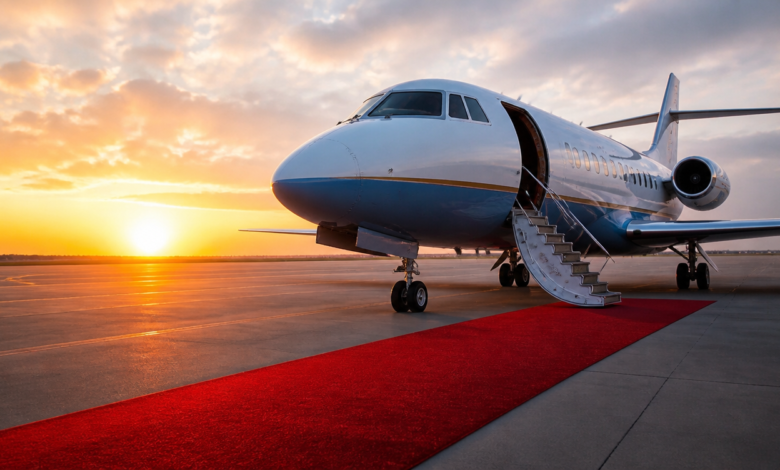
In a surprise diplomatic move that has generated significant international attention, a US delegation led by Vice President JD Vance arrived at Pakistan’s Nur Khan Airbase. The visit signals a major shift in US-Pakistan relations and positions Islamabad as a key player in the ongoing Middle East diplomatic efforts.
Jd Vance Visits: Key Context & Background
This section provides additional context on jd vance visits — including background, key players, and the Pakistani perspective that shapes our reporting on jd vance visits.
The Visit Details
The American delegation, which included senior national security advisors and State Department officials, arrived at Nur Khan Airbase near Rawalpindi. The airbase, one of Pakistan’s most strategic military facilities, hosted the delegation for high-level talks with Pakistani military and political leadership.
Who Accompanied Vance
- Senior National Security Council staff
- Deputy Secretary of State
- Pentagon officials
- Intelligence community representatives
- Economic advisors

Pakistani Hospitality
The Pakistani side, led by Prime Minister Shehbaz Sharif and Army Chief General Asim Munir, welcomed the American delegation with full state protocol. The meeting venue was carefully chosen to demonstrate Pakistan’s strategic importance while maintaining discretion about the sensitive nature of the discussions.
Topics Discussed
While official statements have been limited, diplomatic sources indicate the talks covered several critical areas:
- Iran-US ceasefire negotiations and Pakistan’s mediator role
- Strategic cooperation against regional terrorism
- Economic assistance and trade relationships
- Technology transfer discussions
- Afghan situation and border security

Why Pakistan Matters
Pakistan’s geographic position makes it invaluable in any Middle East crisis. The country shares borders with Iran, Afghanistan, and is close to the Gulf states. Its diplomatic relationships with both the US and China, combined with its Muslim-majority status, make it uniquely positioned as a mediator.
The Mediation Role
Pakistan has been quietly working to facilitate communication between Washington and Tehran since the crisis began. This has included hosting Iranian diplomats, relaying messages, and providing secure venues for indirect talks. The JD Vance visit appears to formalize this mediator role at the highest levels.
Economic Dimensions
Beyond the security discussions, economic cooperation featured prominently. The US delegation reportedly offered enhanced trade access, investment in Pakistani IT sector, and cooperation on energy projects. With Pakistan’s economy under strain, these offers are particularly welcome in Islamabad.
The IMF Connection
American support could also help Pakistan with its ongoing IMF program. US backing is crucial for any additional IMF facility, and Washington’s goodwill could translate into tangible economic benefits for Pakistan at a critical time.
Public Reaction in Pakistan
The visit has sparked significant public discussion in Pakistan. Many citizens see it as recognition of Pakistan’s strategic importance, while others express concerns about entanglement in US foreign policy objectives. Social media has been flooded with images and commentary about the visit.
Regional Implications
Other regional powers are watching closely. India has expressed concern about closer US-Pakistan ties, while China has maintained diplomatic silence. Saudi Arabia and UAE have welcomed the visit, seeing Pakistan’s enhanced role as potentially stabilizing for the region.
The JD Vance visit marks a new chapter in US-Pakistan relations and could reshape the diplomatic landscape of South Asia and the Middle East in the coming months.
Related Stories on Nai Khabar
Related Stories
 Muslim Hands Commends NDMA’s Exemplary Role in Disaster ResponseDecember 10, 2023
 Pakistani climber Naila Kiani successfully summits Cho OyuOctober 5, 2023