Benazir Income Support 8171 Service for Flood Relief Package
Benazir Income Support Program (BISP): Empowering Flood-Affected Communities with a Rs: 24,000 Relief Package
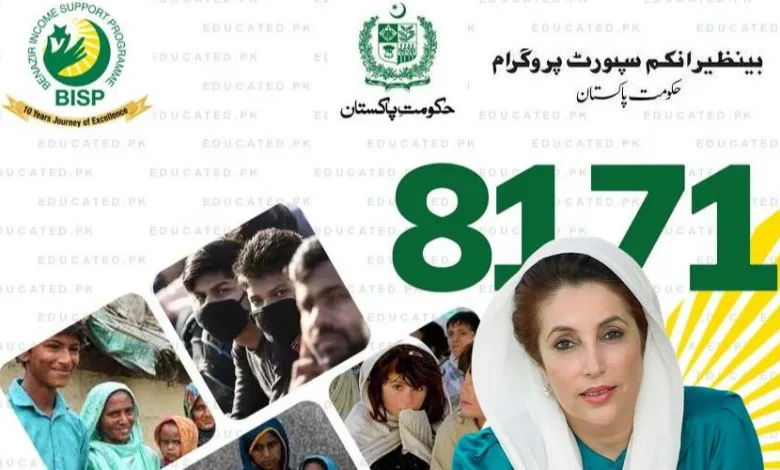
Benazir Income Support 8171 Service for Flood Relief Package — full coverage and analysis on Nai Khabar. Below we break down the key facts and what this development means.
The Benazir Income Support 8171 Program (BISP) has always been at the forefront of providing assistance and support to the most vulnerable segments of society in Pakistan. In times of natural disasters such as floods, BISP plays a crucial role in ensuring that affected communities receive the necessary relief and aid to rebuild their lives. With the recent devastating floods wreaking havoc across the country, BISP has launched a comprehensive flood relief package, offering a substantial amount of Rs 24,000 to assist those affected in their recovery process.
Supporting Flood-Affected Communities:
The recent devastating floods in Pakistan have left a trail of destruction, displacing numerous families and inflicting immense hardships on communities across the nation. In response to this urgent situation, the government, in collaboration with the Benazir Income Support Program (BISP), has launched a comprehensive relief program aimed at alleviating the suffering of flood-affected communities. This initiative not only focuses on providing immediate financial aid but also emphasizes the importance of long-term rehabilitation and sustainable development.
When disaster strikes, it is crucial to act swiftly and effectively to assist those affected. The government, with its commitment to the welfare of its citizens, has promptly responded to the floods by implementing a multi-faceted relief program. The first step is to ensure the immediate well-being of the affected families. Financial aid is being disbursed through the BISP, offering a lifeline to those who have lost their homes, livelihoods, and loved ones. This assistance helps provide the necessary support for basic needs such as food, clean water, and healthcare, bringing some semblance of normalcy back into the lives of the flood victims.
However, the government’s efforts go beyond short-term relief. Recognizing the long-lasting impact of such disasters, the relief program places significant emphasis on rehabilitation and sustainable development. The goal is not just to rebuild what has been destroyed but to create resilient communities that can withstand future challenges. By working hand in hand with local authorities, NGOs, and international partners, the government aims to lay the foundation for sustainable recovery and growth.
The rehabilitation process includes the reconstruction of damaged infrastructure, such as schools, hospitals, roads, and bridges. These efforts will not only restore essential services but also enhance their resilience against future floods. Additionally, attention is given to developing effective early warning systems and disaster preparedness measures, equipping communities with the knowledge and tools to mitigate risks and respond effectively to future natural disasters.
Education and skills development are key components of the government’s long-term strategy. Recognizing the importance of education in shaping a better future, the relief program focuses on reestablishing educational institutions in the affected areas. Special attention is given to ensuring the continuity of education for children, as disrupted schooling can have long-term detrimental effects. Moreover, vocational training programs are being implemented to equip individuals with marketable skills, empowering them to rebuild their lives and contribute to their communities’ economic development.
Furthermore, sustainable livelihood initiatives are being introduced to help communities regain economic stability. Through small-scale enterprises, agriculture revitalization programs, and microcredit schemes, flood-affected individuals are given the means to generate income and rebuild their businesses. These initiatives not only address immediate economic needs but also contribute to long-term prosperity, fostering self-sufficiency and reducing vulnerability to future disasters.
The government’s commitment to supporting flood-affected communities extends beyond immediate relief efforts. A comprehensive approach, encompassing short-term aid and long-term rehabilitation, ensures that communities can rebuild their lives with dignity and resilience. By prioritizing sustainable development, education, and livelihood initiatives, the relief program aims to empower individuals and communities, fostering self-sufficiency and long-term prosperity.
In this challenging time, unity and cooperation are essential. The government, together with the BISP, local authorities, and international partners, stands in solidarity with the flood-affected communities. By joining forces, we can rebuild lives, restore hope, and pave the way for a brighter and more resilient future for all.
Benazir Income Support: Key Context & Background
This section provides additional context on benazir income support — including background, key players, and the Pakistani perspective that shapes our reporting on benazir income support.
The RS: 24,000 Relief Package:
The RS 24,000 relief package introduced by BISP is designed to address the immediate needs of flood victims, as well as empower them to rebuild their lives. Here’s a breakdown of the key components of this generous support:
- Immediate Financial Assistance: Each affected family will receive an initial amount of $8,171, disbursed through BISP’s existing payment mechanisms. This ensures swift and transparent delivery of funds to those in need, enabling them to meet their urgent requirements, including food, shelter, and healthcare.
- Livelihood Rehabilitation: Recognizing the long-term impact of floods on communities’ livelihoods, the relief package includes comprehensive measures to support income generation and economic rehabilitation. BISP will provide vocational training programs, skill development initiatives, and financial assistance for setting up small businesses, empowering flood-affected individuals to rebuild their lives and secure a sustainable source of income.
- Infrastructure Development: Rebuilding essential infrastructure is vital for communities to regain stability and functionality. A significant portion of the relief package will be allocated to infrastructure development projects, focusing on repairing and constructing houses, schools, healthcare facilities, and roads that have been damaged or destroyed by the floods.
- Social Protection Initiatives: BISP’s commitment to social protection goes beyond immediate relief. The program will enhance its efforts to identify vulnerable households affected by the floods and ensure their inclusion in long-term social protection schemes. This will provide them with a safety net against future adversities and help break the cycle of poverty.
Collaborative Approach:
The successful implementation of BISP’s flood relief package requires a collaborative approach. The government, local authorities, non-governmental organizations (NGOs), and international partners will work together to ensure efficient delivery of aid, transparent distribution of funds, and effective monitoring of the relief efforts. By joining forces, these stakeholders can maximize the impact of the relief package and provide holistic support to flood-affected communities.
The Benazir Income Support Program’s flood relief package, valued at $24,000, is a testament to the government’s commitment to standing by its citizens during times of crisis. By providing immediate financial aid, facilitating livelihood rehabilitation, investing in infrastructure development, and expanding social protection initiatives, BISP aims to empower flood-affected communities to rebuild their lives and create a more resilient future. Together, we can ensure that no one is left behind in the aftermath of natural disasters, fostering a society that thrives even in the face of adversity.
for Eligibility Check Click the Button