Cybersecurity: What It Is and Why It Matters
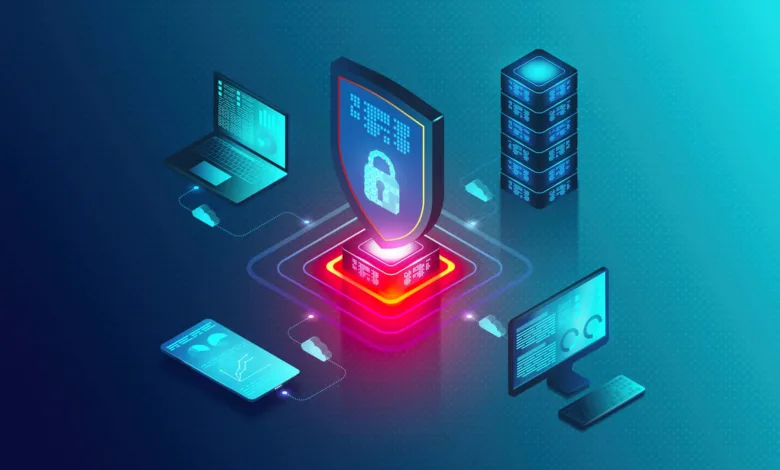
Cybersecurity Matters — Cybersecurity: What It Is and Why It Matters — full coverage and analysis on Nai Khabar. Below we break down the key facts and what this development means.
Cybersecurity is the art and practice of protecting networks, devices, and data from unauthorized access or criminal usese1. Cybersecurity aims to ensure the confidentiality, integrity, and availability of information in the digital world. Cybersecurity is essential for individuals, organizations, and society as a whole, as cyberattacks can cause serious harm to personal privacy, financial assets, national security, and public safety. In this article, we will explain what cybersecurity is, what are the main types of cybersecurity, what are the common cyber threats and challenges, and what are the best practices and solutions for cybersecurity.
Cybersecurity Matters: Key Context & Background
This section provides additional context on cybersecurity matters — including background, key players, and the Pakistani perspective that shapes our reporting on cybersecurity matters.
What are the Main Types of Cybersecurity?
Cybersecurity is a broad term that encompasses various domains or aspects of protecting systems, networks, and data. Some of the main types of cybersecurity are:
- Network security: Network security prevents unauthorized access to network resources, and detects and stops cyberattacks and network breaches in progress. Network security involves using firewalls, antivirus software, encryption, VPNs, and other tools to secure network traffic and devices.
- Endpoint security: Endpoint security protects the devices that connect to a network, such as computers, smartphones, tablets, and IoT devices. Endpoint security involves using antivirus software, malware protection, device management, and other tools to prevent malware infection and data theft on endpoints.
- Cloud security: Cloud security protects the data and applications that are stored or hosted on cloud platforms, such as AWS, Azure, or Google Cloud. Cloud security involves using encryption, access control, identity management, backup, and other tools to secure cloud resources and services.
- Application security: Application security protects the software applications that run on devices or in the cloud from malicious attacks or exploitation. Application security involves using secure coding practices, testing tools, patching tools, and other tools to identify and fix vulnerabilities in applications.
- Data security: Data security protects the data that is stored or transmitted on devices, networks, or cloud platforms from unauthorized access or modification. Data security involves using encryption, hashing, tokenization, masking, and other tools to secure data at rest and in transit.
- Identity and access management (IAM): IAM ensures that only authorized users can access the resources they need, and prevents unauthorized users from accessing sensitive resources. IAM involves using authentication, authorization, multifactor verification, single sign-on (SSO), and other tools to verify users’ identities and grant them appropriate access rights.
- Cybersecurity awareness: Cybersecurity awareness educates users about the basic principles and best practices of cybersecurity. Cybersecurity awareness involves providing training programs, newsletters, posters, quizzes, and other materials to raise users’ awareness of cyber threats and how to prevent or respond to them.
What are the Common Cyberthreats and Challenges?
Cyber threats are malicious actions or attempts by cybercriminals or hackers to compromise systems, networks, or data. Some of the common cyber threats are:
- Malware: Malware is any software that is designed to harm or disrupt a system or network. Malware includes viruses, worms, trojans, ransomware, spyware, adware, rootkits, etc.
- Phishing: Phishing is a fraudulent attempt to obtain sensitive information or credentials from users by impersonating a legitimate entity or person via email or other communication channels.
- Denial-of-service (DoS) attack: A DoS attack is an attempt to overwhelm a system or network with excessive traffic or requests to disrupt its normal functioning or availability.
- Distributed denial-of-service (DDoS) attack: A DDoS attack is a type of DoS attack that uses multiple compromised devices or servers to launch a coordinated attack on a target system or network.
- Man-in-the-middle (MITM) attack: An MITM attack is an attempt to intercept or alter the communication between two parties without their knowledge or consent.
- SQL injection attack: An SQL injection attack is an attempt to inject malicious SQL commands into a database query to manipulate or access data that is not intended for the attacker.
- Zero-day exploit: A zero-day exploit is an attack that exploits a previously unknown vulnerability in a system or application before it is patched or fixed by the vendor.
Cybersecurity challenges are the factors that make cybersecurity difficult or complex. Some of the common cybersecurity challenges are:
- Increasing sophistication of cyberattacks: Cyberattacks are becoming more advanced and complex as cybercriminals use new techniques and technologies to evade detection and bypass security measures.
- Rapid evolution of technology: Technology is changing rapidly as new devices, applications, platforms, and services emerge. This creates new opportunities for innovation but also new vulnerabilities for exploitation.
- Lack of cybersecurity skills: There is a shortage of qualified cybersecurity professionals who can design, implement, manage, and monitor cybersecurity solutions. According to one estimate, the global cybersecurity worker gap was 3.4 million workers worldwide in 20232.
- Human error: Human error is one of the main causes of cybersecurity incidents. Users may make mistakes such as using weak passwords, clicking on malicious links, or sharing sensitive information with the wrong people.
- Compliance and regulation: Compliance and regulation are the rules and standards that govern how organizations should handle and protect data and systems. Compliance and regulation vary by industry, sector, and region, and may change over time. Organizations need to keep up with the latest compliance and regulation requirements to avoid penalties or lawsuits.
What are the Best Practices and Solutions for Cybersecurity?
Cybersecurity is not a one-time event or a single product. It is an ongoing process that requires a comprehensive and holistic approach that involves people, processes, and technology. Some of the best practices and solutions for cybersecurity are:
- Conduct a cybersecurity risk assessment: A cybersecurity risk assessment is a systematic process of identifying, analyzing, and evaluating the potential risks and impacts of cyber threats on an organization’s systems, networks, data, and operations. A cybersecurity risk assessment helps to prioritize the most critical assets and vulnerabilities and to determine the appropriate controls and mitigation strategies.
- Implement a cybersecurity framework: A cybersecurity framework is a set of guidelines or standards that provide a common language and structure for managing cybersecurity activities. A cybersecurity framework helps to align the organization’s goals, objectives, policies, procedures, roles, and responsibilities for cybersecurity. One well-respected framework is the NIST cybersecurity framework, which explains how to identify attacks, protect systems, detect and respond to threats, and recover from successful attacks3.
- Use a layered defence strategy: A layered defiance strategy is a principle of using multiple layers of security measures to protect systems, networks, and data from cyberattacks. A layered defiance strategy helps to reduce the attack surface, increase the detection rate, and minimize the damage or impact of cyberattacks. A layered defence strategy involves using various types of cybersecurity solutions such as firewalls, antivirus software, encryption, VPNs, IAM, etc.
- Leverage advanced analytics, artificial intelligence (AI), and automation: Advanced analytics, AI, and automation are technologies that can enhance the effectiveness and efficiency of cybersecurity solutions. Advanced analytics can help to collect, process, and analyze large volumes of data from various sources to identify patterns, trends, anomalies, and insights for cybersecurity. AI can help to learn from data and experience to improve decision-making and response for cybersecurity. Automation can help to execute tasks and processes faster and more accurately for cybersecurity.
- Educate and train users: Educating and training users is a key component of cybersecurity awareness. Educating and training users can help to increase their knowledge and skills on cybersecurity principles and best practices. Educating and training users can also help to change their behaviour and attitude towards cybersecurity. Educating and training users can be done through various methods such as online courses, webinars, workshops, simulations, games, etc.
Cybersecurity is the art and practice of protecting systems, networks, and data from unauthorized access or criminal use. Cybersecurity is essential for individuals, organizations, and society as a whole, as cyberattacks can cause serious harm to personal privacy, financial assets, national security, and public safety. Cybersecurity is a broad term that encompasses various domains or aspects of protecting systems, networks, and data. Cybersecurity faces various cyber threats and challenges that require a comprehensive and holistic approach that involves people, processes, and technology. Cybersecurity can be improved by following best practices and solutions such as conducting a risk assessment, implementing a framework, using a layered defence strategy, leveraging advanced analytics, AI, and automation, and educating and training users. If you need any help with creating or improving your cybersecurity strategy or solution, feel free to contact us. We are cybersecurity experts and we can help you build a modern and personalized cybersecurity solution that suits your needs and goals.