Iran Signals Willingness to Talk as April 6 Deadline Looms: Is Ceasefire Possible?
Iran Signals Willingness to Talk as April 6 Deadline Looms: Is Ceasefire Possible? — here’s the latest on the Iran-US confrontation and its impact on Pakistan, oil markets, and regional security. This report breaks down the key developments, verified facts, and what they mean for Pakistani readers.
Iran Signals Willingness: Key Context & Background
This section provides additional context on iran signals willingness — including background, key players, and the Pakistani perspective that shapes our reporting on iran signals willingness.
Iran Opens Door to Negotiations
In a significant shift, Iran’s Foreign Minister Abbas Araghchi signaled willingness to join talks just hours before Trump’s April 6 deadline. While trust remains ‘at zero,’ this diplomatic opening could prevent a catastrophic escalation of the 37-day-old war.
What Iran Wants
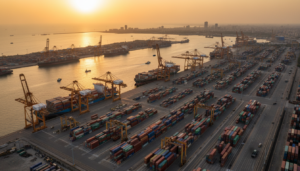
Iran’s conditions for reopening the Strait of Hormuz reportedly include an immediate halt to US-Israeli airstrikes, lifting of sanctions on humanitarian goods, compensation for civilian casualties and infrastructure damage, and guarantees against future attacks on Iranian territory.
What the US Demands
The US has demanded unconditional reopening of the Strait of Hormuz, dismantling of Iran’s nuclear enrichment program, cessation of missile attacks on Israel and Gulf states, and release of any detained foreign nationals. The gap between demands remains enormous.
Pakistan’s Mediation Role
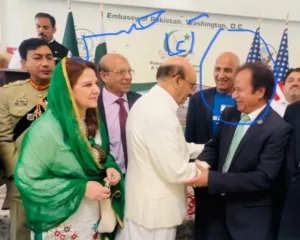
Pakistan continues mediating despite obstacles. US envoy Steve Witkoff confirmed 15 peace points were presented through Pakistan. Turkey and Egypt are also facilitating back-channel communications.
What Happens Next
If talks begin, experts predict a phased approach: temporary ceasefire first, followed by strait reopening, then broader negotiations. If talks fail, Trump has promised devastating strikes on Iranian infrastructure. The world holds its breath.
Read more on Nai Khabar.
Related Stories on Nai Khabar
Frequently Asked Questions
What is the current status of the Iran-US conflict?
As of April 2026, the Iran-US confrontation remains tense with active diplomatic efforts underway. Pakistan has positioned itself as a potential mediator, while oil markets remain volatile around Strait of Hormuz developments.
How does the Iran crisis affect Pakistan?
Pakistan is directly affected through higher oil prices (Pakistan imports 80%+ of its petroleum), shifts in remittances from Gulf workers, and regional security implications. The State Bank of Pakistan monitors currency impact closely.
What should Pakistani citizens know about this?
Pakistani citizens should monitor official government advisories, expect fuel price adjustments, and stay informed through verified news sources. Expat Pakistanis in Iran and neighboring regions should contact their embassy for registration.