Pariah Power Broker — From Pariah to Power Broker: How Pakistan Became the Key Mediator in Iran-US War — here’s the latest on the Iran-US confrontation and its impact on Pakistan, oil markets, and regional security. This report breaks down the key developments, verified facts, and what they mean for Pakistani readers.
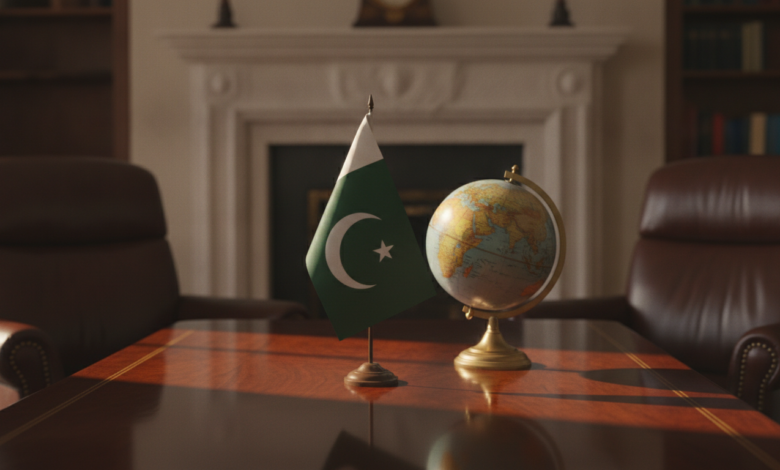
In one of the most remarkable diplomatic transformations in recent history, Pakistan has emerged from international isolation to become the indispensable mediator in the 2026 Iran-US war. Through strategic backchannel diplomacy led by Prime Minister Shehbaz Sharif and Army Chief General Asim Munir, Pakistan brokered the two-week ceasefire that the world had been desperately seeking.
Pariah Power Broker: Key Context & Background
This section provides additional context on pariah power broker — including background, key players, and the Pakistani perspective that shapes our reporting on pariah power broker.
How Pakistan Built Its Mediator Credentials
Pakistan’s path to becoming the Iran war mediator began during the India-Pakistan ceasefire of May 2025. According to Foreign Policy, it was during those negotiations that General Asim Munir cultivated a “direct personal rapport with Trump.” The two men spoke repeatedly during the India-Pakistan crisis, and Trump publicly claimed credit for the deal. That episode gave Munir something most foreign leaders spend years pursuing: a personal channel to the Oval Office.
The Shehbaz-Munir Diplomatic Partnership
Analysts credit Pakistan’s diplomatic success to the close cooperation between General Munir and Prime Minister Shehbaz Sharif. As reported by NPR, the two maintained “direct and separate backchannels to relay sensitive messages between Trump and Iranian President Masoud Pezeshkian, while communicating with other global leaders.” This dual-channel approach allowed Pakistan to communicate with both sides simultaneously without either feeling compromised.
Key Diplomatic Milestones
Pakistan’s mediation effort unfolded in stages:
- Early March: Pakistan secured a deal with Iran to allow Pakistani ships to pass through the Strait of Hormuz, proving its diplomatic credibility with Tehran
- March 29: Pakistan hosted talks in Islamabad where Pakistan, Egypt, Turkey, and Saudi Arabia formed a committee to support a ceasefire
- April 2: Pakistan’s foreign minister rushed to Beijing for a meeting with his Chinese counterpart, resulting in a joint five-part peace plan
- April 6: Pakistan proposed a “two-phased” truce deal, with the first phase being a two-week ceasefire and the second being comprehensive negotiations
- April 7: PM Shehbaz Sharif’s two-week ceasefire proposal was accepted by both the US and Iran
A Setback for India
Foreign Policy noted that “Pakistan’s Iran Diplomacy Is a Setback for India.” While India maintained neutrality during the conflict, Pakistan actively positioned itself as the key regional broker, enhancing its international standing significantly. The Diplomat described it as Pakistan’s “search for diplomatic relevance,” while Modern Diplomacy called it a transformation “From Pariah to Power Broker.”
Islamabad as the New Peace Capital
The selection of Islamabad as the venue for the April 10 peace talks between the US and Iran is a powerful symbol of Pakistan’s elevated diplomatic status. Vice President JD Vance is expected to lead the US delegation, making it one of the highest-level American diplomatic visits to Pakistan in years. Asia Times described Pakistan as the Iran war’s “indispensable mediator.”
Challenges Ahead for Pakistan
Despite its diplomatic triumph, Pakistan faces significant challenges. The country’s own economy has been severely affected by the war, with fuel prices rising over 40% and LNG supplies disrupted. Maintaining neutrality between the US and Iran while managing domestic economic pressures will test Pakistan’s diplomatic balancing act in the weeks ahead.
What This Means for Pakistan’s Future
If the Islamabad peace talks succeed, Pakistan will have achieved what no other nation could in the Iran-US conflict. This could reshape Pakistan’s international standing, attract foreign investment, and establish it as a credible neutral mediator for future global disputes. The world is watching Islamabad.
Sources: Foreign Policy, NPR, Al Jazeera, The Diplomat, Modern Diplomacy, Asia Times, CNBC
Related Stories on Nai Khabar
Frequently Asked Questions
What is the current status of the Iran-US conflict?
As of April 2026, the Iran-US confrontation remains tense with active diplomatic efforts underway. Pakistan has positioned itself as a potential mediator, while oil markets remain volatile around Strait of Hormuz developments.
How does the Iran crisis affect Pakistan?
Pakistan is directly affected through higher oil prices (Pakistan imports 80%+ of its petroleum), shifts in remittances from Gulf workers, and regional security implications. The State Bank of Pakistan monitors currency impact closely.
What should Pakistani citizens know about this?
Pakistani citizens should monitor official government advisories, expect fuel price adjustments, and stay informed through verified news sources. Expat Pakistanis in Iran and neighboring regions should contact their embassy for registration.
Related Stories
 Vibrant Eid 2024: Ambassador & Sweet Home KidsApril 11, 2024
 Pakistan Dispatches Urgent Humanitarian Aid to GazaOctober 19, 2023