Pakistan Work Week — Pakistan 4-Day Work Week: Schools Closed as Iran War Fuel Crisis Deepens — here’s the latest on the Iran-US confrontation and its impact on Pakistan, oil markets, and regional security. This report breaks down the key developments, verified facts, and what they mean for Pakistani readers.
Pakistan Work Week: Key Context & Background
This section provides additional context on pakistan work week — including background, key players, and the Pakistani perspective that shapes our reporting on pakistan work week.
Pakistan Shifts to 4-Day Work Week to Save Fuel
In an unprecedented move, Pakistan has announced a 4-day work week for all government offices and closed educational institutions for two weeks as the Iran war fuel crisis deepens. PM Shehbaz Sharif declared these emergency austerity measures to conserve rapidly depleting fuel reserves.
What Changes for Pakistanis
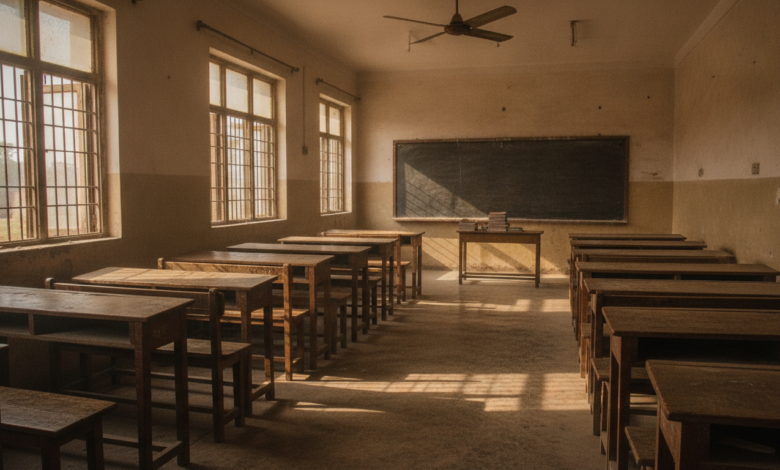
Government offices will operate only 4 days per week with 50% of staff working from home. All schools, colleges, and universities are closed for two weeks. Non-essential government travel is banned. CNG stations face extended closures. Load shedding hours have increased across the country.
LNG Shortage Crisis
According to Al Jazeera, the war on Iran has turned Pakistan’s LNG surplus into a looming shortage. Pakistan secures nearly all its imported gas from Qatar and the UAE through the Strait of Hormuz. With no emergency reserves, the shift from surplus to shortage happened almost overnight.
Economic Stabilization at Risk
The Diplomat reports that Pakistan’s hard-won economic stabilization is facing its biggest challenge from the Iran war. The IMF program, currency stability, and inflation control achievements of 2025 are all under threat from the oil price shock.
Follow on Nai Khabar Pakistan.
Related Stories on Nai Khabar
Frequently Asked Questions
What is the current status of the Iran-US conflict?
As of April 2026, the Iran-US confrontation remains tense with active diplomatic efforts underway. Pakistan has positioned itself as a potential mediator, while oil markets remain volatile around Strait of Hormuz developments.
How does the Iran crisis affect Pakistan?
Pakistan is directly affected through higher oil prices (Pakistan imports 80%+ of its petroleum), shifts in remittances from Gulf workers, and regional security implications. The State Bank of Pakistan monitors currency impact closely.
What should Pakistani citizens know about this?
Pakistani citizens should monitor official government advisories, expect fuel price adjustments, and stay informed through verified news sources. Expat Pakistanis in Iran and neighboring regions should contact their embassy for registration.
Related Stories


 The Fall of Assad Regime: A 50-Year Journey from Power to DefeatDecember 8, 2024