Iran Us Two — Iran-US Two-Week Ceasefire Deal Explained: Key Terms, Conditions and What Comes Next — here’s the latest on the Iran-US confrontation and its impact on Pakistan, oil markets, and regional security. This report breaks down the key developments, verified facts, and what they mean for Pakistani readers.
On April 7, 2026, after 38 days of devastating military conflict, the United States and Iran agreed to a historic two-week ceasefire. The deal, mediated by Pakistan, pauses the most intense military confrontation in the Middle East since the 2003 Iraq War. Here is everything you need to know about the ceasefire terms, how it was reached, and what happens next.
Iran Us Two: Key Context & Background
This section provides additional context on iran us two — including background, key players, and the Pakistani perspective that shapes our reporting on iran us two.
How the Ceasefire Was Reached
The breakthrough came after Pakistani Prime Minister Shehbaz Sharif proposed a two-week cooling period during intense backchannel negotiations in Islamabad. With Trump’s Tuesday 8 PM deadline for Iran to reopen the Strait of Hormuz approaching, and threats of strikes on Iranian power plants and bridges, Pakistan’s diplomatic intervention prevented a catastrophic escalation. According to Axios, negotiations between the US and Iran picked up momentum in the final 24 hours, with Pakistan serving as the primary mediator.
Key Terms of the Ceasefire Agreement
The agreement includes the following conditions confirmed by multiple international sources:
- Duration: A full two-week bilateral ceasefire, described by Trump as a “double-sided CEASEFIRE” effective immediately
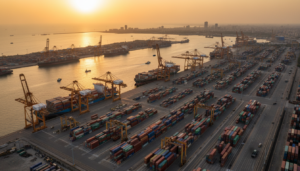
- Strait of Hormuz: Iran will allow “safe passage” of marine traffic through the Strait of Hormuz during the ceasefire period, but vessels must coordinate with Iran’s Armed Forces
- US Suspension: The United States will suspend all bombing and military attacks on Iran for two weeks
- Iran’s Response: Iran’s Armed Forces will cease defensive operations if attacks are halted
- Scope: The ceasefire applies “everywhere including Lebanon and elsewhere”
- Purpose: The two-week period is to be used to negotiate a larger, permanent agreement
Iran’s 10-Point Peace Proposal
Central to the ceasefire is Iran’s 10-point peace proposal, which Trump described as a “workable basis on which to negotiate.” According to Al Jazeera and Gulf News, the proposal includes demands for full sanctions relief, US military withdrawal from regional bases, reconstruction payments for war damage, and regulated passage through the Strait of Hormuz under Iranian coordination. Iran claims the US has accepted its framework, while Washington says “almost all points of past contention” have been agreed upon.
What Both Sides Are Saying
Both sides are claiming victory. Iran’s Supreme National Security Council stated it “forced the United States to accept its 10-point plan,” while Trump posted on social media that the deal was reached because of American military strength. Iranian Foreign Minister Abbas Araghchi confirmed Tehran’s acceptance, while NPR reported that Trump “backed down from imminent threat to annihilate Iran” by announcing the ceasefire.
Peace Talks in Islamabad on April 10
The next critical step is face-to-face peace talks scheduled for Friday, April 10, 2026, in Islamabad. Vice President JD Vance is expected to lead the US delegation, while Pakistan will host both sides. According to CNN, these talks will determine whether the temporary ceasefire can be converted into a permanent peace agreement.
Why This Ceasefire Is Fragile
Experts warn that the ceasefire remains extremely fragile. The two-week window is short for resolving decades of hostility. Key unresolved issues include Iran’s nuclear program, the future of US sanctions, Iran’s demand for US military withdrawal from the region, and reconstruction costs estimated at tens of billions of dollars. Any provocation from either side or their allies could collapse the agreement.
Global Reaction
The international community has cautiously welcomed the ceasefire. The United Nations Secretary-General called it “a critical first step.” European leaders urged both sides to use the two-week window constructively. Oil prices dropped 5% within hours of the announcement, providing immediate relief to global markets that have suffered from six weeks of disruption.
Conclusion
The Iran-US two-week ceasefire represents the most significant diplomatic breakthrough since the conflict began on February 28, 2026. While the terms provide temporary relief, the real test begins with the Islamabad peace talks on April 10. The world is watching whether this pause in hostilities can become a lasting peace.
Sources: Al Jazeera, Axios, CNN, NPR, PBS, NBC News, Foreign Policy
Related Stories on Nai Khabar
Frequently Asked Questions
What is the current status of the Iran-US conflict?
As of April 2026, the Iran-US confrontation remains tense with active diplomatic efforts underway. Pakistan has positioned itself as a potential mediator, while oil markets remain volatile around Strait of Hormuz developments.
How does the Iran crisis affect Pakistan?
Pakistan is directly affected through higher oil prices (Pakistan imports 80%+ of its petroleum), shifts in remittances from Gulf workers, and regional security implications. The State Bank of Pakistan monitors currency impact closely.
What should Pakistani citizens know about this?
Pakistani citizens should monitor official government advisories, expect fuel price adjustments, and stay informed through verified news sources. Expat Pakistanis in Iran and neighboring regions should contact their embassy for registration.