US Naval Blockade of Iran Day 2: No Ships Getting Through Strait of Hormuz — here’s the latest on the Iran-US confrontation and its impact on Pakistan, oil markets, and regional security. This report breaks down the key developments, verified facts, and what they mean for Pakistani readers.
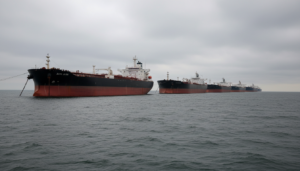
The United States military has confirmed that its naval blockade of Iran is now in its second day, with no merchant ships successfully passing through the Strait of Hormuz. According to US Central Command (CENTCOM), six merchant vessels were turned back in the first 24 hours of the blockade, effectively shutting down all maritime trade to and from Iran.
Us Naval Blockade: Key Context & Background
This section provides additional context on us naval blockade — including background, key players, and the Pakistani perspective that shapes our reporting on us naval blockade.
Scale of the Blockade
The operation involves more than 10,000 US sailors, marines, and airmen, along with over a dozen warships and dozens of aircraft. This represents one of the largest naval operations in the region since the Gulf War. The USS Gerald Ford carrier strike group is leading the operation, supported by destroyers, cruisers, and submarine assets.
What Ships Are Being Stopped
- Oil tankers attempting to load at Iranian ports
- Container ships carrying commercial goods
- Bulk carriers transporting raw materials
- Any vessel attempting to enter Iranian territorial waters
Iran’s Response
Iran has condemned the blockade as an “act of war” and a violation of international maritime law. The Iranian Navy has maintained a defensive posture, with its vessels staying within territorial waters. However, the Islamic Revolutionary Guard Corps Navy (IRGCN) has increased its presence near the strait with fast attack boats.
Iran’s Options
Military analysts suggest Iran has limited options to counter the blockade:
- Diplomatic pressure through the United Nations
- Asymmetric warfare using fast boats and drones
- Activation of proxy forces in the region
- Escalation through missile attacks on US assets
- Appeal to China and Russia for support
Global Oil Market Impact
Oil prices have surged past $115 per barrel as the blockade enters its second day. Energy analysts warn that if the blockade continues for more than a week, prices could reach $130-140 per barrel. Countries heavily dependent on Gulf oil, including Japan, South Korea, India, and Pakistan, are scrambling to secure alternative supplies.
Impact on Pakistan
Pakistan, which imports significant quantities of oil through the Strait of Hormuz, faces particular vulnerability. The petroleum division has activated emergency protocols, and discussions about tapping into strategic reserves are underway. The blockade comes at a time when Pakistan is already dealing with elevated fuel prices from the ongoing crisis.
International Reactions
China has called the blockade “dangerous and irresponsible,” while Russia has demanded an emergency UN Security Council session. European nations have expressed concern but stopped short of condemning the US action. Pakistan, as the mediator, has urged restraint from both sides and called for an immediate return to negotiations.
What Happens Next
President Trump has hinted that the blockade could be lifted if Iran agrees to return to negotiations. Reports suggest a second round of talks in Islamabad could happen within the next two days. However, Iran has demanded the blockade be lifted as a precondition for any further negotiations, creating a diplomatic impasse.
The coming 48 hours will be critical in determining whether the situation escalates into a broader military conflict or returns to the negotiating table.
Related Stories on Nai Khabar
Frequently Asked Questions
What is the current status of the Iran-US conflict?
As of April 2026, the Iran-US confrontation remains tense with active diplomatic efforts underway. Pakistan has positioned itself as a potential mediator, while oil markets remain volatile around Strait of Hormuz developments.
How does the Iran crisis affect Pakistan?
Pakistan is directly affected through higher oil prices (Pakistan imports 80%+ of its petroleum), shifts in remittances from Gulf workers, and regional security implications. The State Bank of Pakistan monitors currency impact closely.
What should Pakistani citizens know about this?
Pakistani citizens should monitor official government advisories, expect fuel price adjustments, and stay informed through verified news sources. Expat Pakistanis in Iran and neighboring regions should contact their embassy for registration.
Related Stories


 Apple India: iPhone Prices and AvailabilityOctober 18, 2023