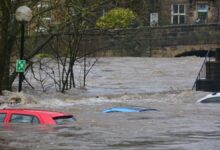
Monsoon 2026 Pakistan: Complete Weather Forecast, Flood Risks & Safety Guide — full coverage and analysis on Nai Khabar. Below we break down the key facts, background context, and what this development means going forward.
The Pakistan Meteorological Department (PMD) has released its preliminary forecast for the 2026 monsoon season, warning of above-normal rainfall in several regions. After the devastating floods of recent years, preparedness is more important than ever.
Monsoon 2026 Pakistan: Key Context & Background
This section provides additional context on monsoon 2026 pakistan — including background, key players, and the Pakistani perspective that shapes our reporting on monsoon 2026 pakistan.
2026 Monsoon Forecast Overview
The PMD predicts that the 2026 monsoon season, expected from late June through September, will bring above-average rainfall to most parts of the country. The La Nina weather pattern is expected to strengthen monsoon systems, particularly affecting Sindh, southern Punjab, and Balochistan.
Most At-Risk Areas
Sindh
Southern Sindh remains the most vulnerable region. The flat terrain and poor drainage infrastructure mean even moderate rainfall can cause widespread flooding. Authorities are pre-positioning relief supplies in Sukkur, Hyderabad, and Badin districts.
Southern Punjab
Districts along the Indus River including Rajanpur, Dera Ghazi Khan, and Muzaffargarh face significant flood risk. The Indus River system carries meltwater from northern glaciers combined with monsoon rains, creating dangerous water levels.
Gilgit-Baltistan & KPK
Mountain regions face risks from Glacial Lake Outburst Floods (GLOFs) and landslides. Climate change has accelerated glacier melting, creating unstable glacial lakes that can burst without warning.
Government Preparedness
The National Disaster Management Authority (NDMA) has outlined a comprehensive preparedness plan:
- Early warning systems upgraded in 15 vulnerable districts
- Emergency relief supplies pre-positioned nationwide
- Army engineering units on standby for rescue operations
- International donors briefed on potential assistance needs
Safety Tips for Citizens
Before the Monsoon
- Stock emergency supplies: water, non-perishable food, medications
- Keep important documents in waterproof containers
- Know your area’s evacuation routes
- Charge phones and power banks fully
During Heavy Rainfall
- Avoid walking or driving through floodwater
- Stay away from rivers, streams, and drainage channels
- Move to higher ground if water levels rise
- Follow NDMA alerts on social media and news
After Flooding
- Don’t drink floodwater — use purified or boiled water only
- Watch for snakes and insects displaced by flooding
- Report damaged infrastructure to local authorities
- Get medical attention for any flood-related injuries
Climate Change Factor
Scientists emphasize that Pakistan — despite contributing less than 1% of global greenhouse emissions — is among the countries most affected by climate change. The increased frequency and intensity of monsoon floods is directly linked to rising global temperatures.
Stay informed, stay prepared, and stay safe this monsoon season.
Related Stories on Nai Khabar
Related Stories

 How to Make $2,000 per Week from AnywhereApril 15, 2026
 Kashmiri Diaspora Protests in LondonAugust 7, 2023