Who will be the next caretaker prime minister of Pakistan? — full coverage and analysis on Nai Khabar. Below we break down the key facts and what this development means.
Five names finalized for caretaker prime minister of Pakistan
- What is the role and purpose of the caretaker prime minister?
- The caretaker prime minister of Pakistan is the acting head of government in Pakistan following the dissolution of the National Assembly. The purpose of this post is to ensure free and fair elections are held1
- The caretaker prime minister is appointed by the President of Pakistan in consultation with the outgoing Prime Minister and the Leader of Opposition, according to the Constitution of Pakistan. If this consensus is not reached, the President is free to choose a caretaker Prime Minister of his choice, although this is usually done in consultation with the Election Commission of Pakistan1
- Who are the possible candidates for the caretaker prime minister?
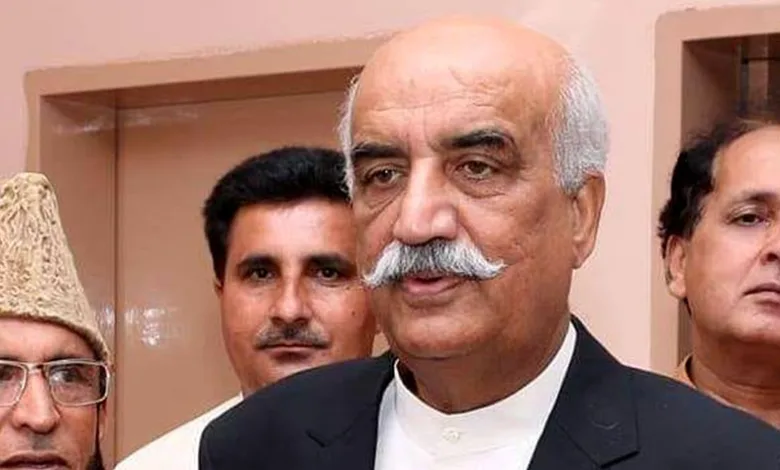
- Federal Minister for Water Resources Syed Khurshid Ahmed Shah has said that five names have been finalized for the caretaker prime minister. Talking to the media in Karachi, he said that the shortlisted candidates for the caretaker prime minister are neutral and are not affiliated with any political party. The federal minister said that the committee of all parties has finalized these names
- The names of the possible candidates have not been disclosed yet, but some media reports have speculated that they include former Chief Justice Gulzar Ahmed, former Finance Minister Ishaq Dar, former Governor State Bank Ishrat Hussain, former Foreign Secretary Jalil Abbas Jilani and former Senator Raza Rabbani
- What are the challenges and opportunities for the caretaker prime minister?
- The caretaker prime minister will have to deal with various challenges and opportunities during his or her tenure, which can last up to three months. Some of these include:
- Managing the economic and fiscal situation of the country, which is facing high inflation, low foreign reserves, a fragile health system and a debt crisis. The caretaker prime minister will have to implement the policies agreed with the International Monetary Fund (IMF) as part of a bailout package
- Ensuring the security and stability of the country, which is facing a resurgence of militant attacks, sectarian violence and border tensions with India and Afghanistan. The caretaker prime minister will have to coordinate with the civil-military bureaucracy and maintain good relations with Pakistan’s allies, especially China
- Conducting free and fair elections in a transparent and credible manner, which is essential for the legitimacy and continuity of democracy in Pakistan. The caretaker prime minister will have to oversee the electoral process, ensure a level playing field for all parties and candidates, prevent any interference or rigging, and facilitate a peaceful transfer of power . The caretaker prime minister will also have an opportunity to bring some reforms and improvements to the political and bureaucratic setups within the country, as some previous caretaker prime ministers have done. For example, Moeenuddin Ahmad Qureshi, who served as the caretaker prime minister in 1993, introduced various measures such as reducing subsidies, increasing taxes, devaluing currency, liberalizing trade, privatizing state-owned enterprises and improving governance.
- The caretaker prime minister will have to deal with various challenges and opportunities during his or her tenure, which can last up to three months. Some of these include:
- What is the role and purpose of the caretaker prime minister?
Related Stories on Nai Khabar
Related Stories


- How to Make $2,000 per Week from AnywhereApril 15, 2026
 How to Keep Your Body Warm Naturally in WinterNovember 30, 2023