Unveiling Escalating Geopolitical — Unveiling the Escalating Geopolitical Tensions: A Comprehensive Analysis of the Pakistan-Iran Conflict — full coverage and analysis on Nai Khabar. Below we break down the key facts, background context, and what this development means going forward.
Pakistan Iran an unprecedented turn of events, the world witnessed a dramatic escalation in geopolitical tensions as Pakistan executed a series of “highly coordinated” military strikes against Iran. This alarming development unfolded just over 24 hours after Iranian air raids targeted Jaish al-Adl in Pakistan’s Balochistan province, casting a shadow of uncertainty over the potential outbreak of a broader conflict between these two neighboring nations.

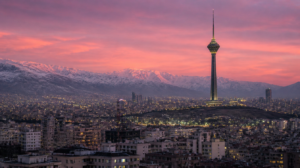
The first image vividly captures the intensity of the conflict, providing a glimpse into Pakistan’s military response in what is described as a “highly coordinated” strike against Iran.
Iranian Response and Diplomatic Summons Pakistan Iran

Unveiling Escalating Geopolitical: Key Context & Background
This section provides additional context on unveiling escalating geopolitical — including background, key players, and the Pakistani perspective that shapes our reporting on unveiling escalating geopolitical.
Following Pakistan’s military strikes, Iran reported a
Following Pakistan’s military strikes, Iran reported a grim toll of at least nine casualties. In a swift response, Iran summoned the senior-most Pakistani diplomat in Tehran, seeking explanations for the military strikes conducted under the operation codenamed “Marg Bar Sarmachar” (Death to Sarmachar).
Pakistani Justification and Diplomatic Tensions

Pakistan swiftly moved to justify its actions, citing “credible intelligence” of an imminent large-scale terrorist threat originating from Iran. The military operation aimed to target hideouts of armed groups in Iran’s Sistan-Baluchestan province, escalating tensions between the two nations.
Escalation and Condemnation

Prior to Pakistan’s strikes, Iran launched air
Prior to Pakistan’s strikes, Iran launched air raids against Jaish al-Adl, accusing the group of multiple attacks. Pakistan, in turn, condemned the Iranian action as “unacceptable” and reserved the right to respond to what it termed an “illegal act.”
Global Reactions and Mediation Efforts
As news of the conflict spread globally, reactions poured in from major powers. China expressed a willingness to mediate between the conflicting parties, while the United States condemned Iran’s violation of sovereign borders. India, Pakistan’s archrival, maintained a neutral stance, emphasizing the matter as one between Iran and pakistan.
Diplomatic Meetings Amidst Crisis (pakistan iran)
Diplomatic Meetings Amidst Crisis (pakistan iran)

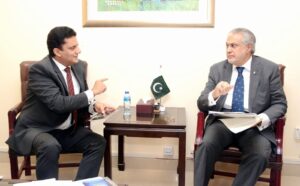
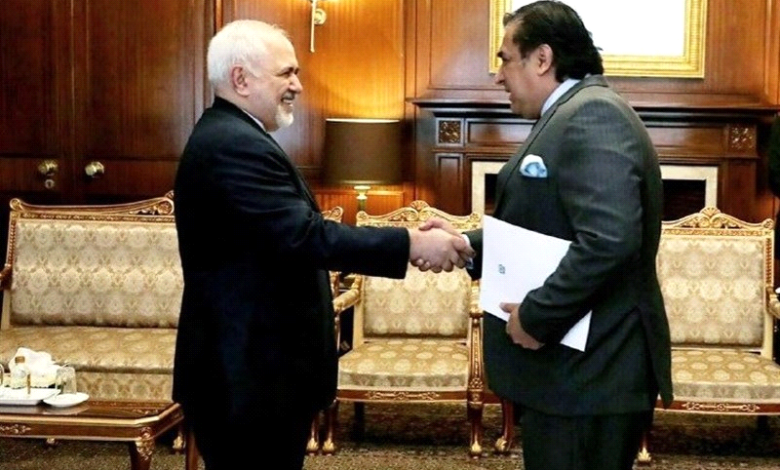
Efforts to defuse tensions included a crucial meeting between Pakistan’s interim Prime Minister Anwaar-ul-Haq Kakar and Iran’s Foreign Minister Hossein Amirabdollahian. This diplomatic encounter took place in Switzerland on the sidelines of the World Economic Forum. However, Iran maintained that the attacks on Pakistani soil were in direct response to Jaish al-Adl’s actions in its Sistan-Baluchestan province.
Regional Concerns and Skepticism
Experts weighed in on the potential for
Experts weighed in on the potential for diplomatic resolutions, expressing skepticism and fearing a resurgence of militancy in both Balochistan regions. Baqir Sajjad Syed, a Pakistan fellow at the Wilson Center, warned of growing mistrust and potential conflicts on multiple fronts for Pakistan.
Strategic Considerations
Pakistani security analyst Ejaz Haider deemed it unfortunate that Iran treated Pakistan similarly to Iraq or Syria. Haider suggested joint counterterrorism cooperation as a more constructive approach, emphasizing that opening a front in the east with Pakistan makes little strategic sense for Iran, given its current geopolitical challenges.
International Diplomacy and Urgent Calls for Resolution (iran ,china and pakistan)
As the situation continued to unfold, China, a key ally to both Pakistan and Iran, offered to play a constructive role in de-escalating tensions. The global community watched closely as the possibility of a larger conflict loomed, emphasizing the urgent need for diplomatic resolutions to ensure regional stability.
In this volatile scenario, the international community remains on edge, fervently hoping for a swift and peaceful resolution to prevent further escalation in tensions between Pakistan and Iran. The interconnectedness of regional powers and the potential consequences of conflict underline the critical importance of diplomatic solutions in these turbulent times. As the world watches, the focus turns to diplomatic efforts and the delicate balance required to ensure stability in this troubled region.
Turkey Urges De-escalation in Pakistan-Iran Conflict
In the midst of escalating tensions between Pakistan and Iran, Turkey has emerged as a diplomatic mediator, calling for restraint and calm in the region. Turkish Foreign Minister Hakan Fidan conveyed the message of de-escalation after engaging in talks with officials from both sides, emphasizing the urgent need for restoring peace and stability.
Turkey’s Diplomatic Intervention
In a news conference held in Jordan, Minister Hakan Fidan highlighted Turkey’s proactive role in addressing the growing crisis. Fidan stated that Turkey does not want to see an escalation of tensions between Iran and Pakistan, recognizing the potential dire consequences such a conflict could have on the region.
Recommendations for Restraint
Fidan emphasized that Turkey has recommended both Iran and Pakistan to exercise restraint and avoid any further escalation. The call for calm comes at a critical juncture, as the international community closely monitors the situation, apprehensive of the potential for a broader conflict.
Diplomatic Outreach to Both Sides
The Turkish foreign minister revealed that diplomatic discussions were held with officials from both Iran and Pakistan. The aim of these talks was to convey Turkey’s concern over the escalating tensions and to encourage both nations to prioritize diplomatic resolutions over military actions.
Turkey’s Stance on Regional Stability
Turkey’s intervention underscores its commitment to maintaining stability in the region. As a key player in the Middle East, Turkey recognizes the importance of preventing the situation from spiraling out of control, which could have severe repercussions on the broader geopolitical landscape.
Global Implications and Diplomatic Balance
The call for de-escalation by Turkey carries significance not only for the immediate conflict but also in the context of global diplomatic efforts. As tensions persist, the involvement of regional powers like Turkey becomes crucial in striking a diplomatic balance and averting a larger crisis.
International Observers’ Response
The international community has acknowledged Turkey’s diplomatic efforts, with many expressing gratitude for its proactive stance. As a NATO member and a significant regional player, Turkey’s involvement adds a diplomatic dimension to the resolution of the conflict.
Path Forward: Diplomacy Over Confrontation
Minister Hakan Fidan’s statements reinforce the belief that diplomatic channels must take precedence over military confrontation. Turkey’s call for calm aligns with the global consensus that peaceful negotiations and dialogue are essential to resolving conflicts and preventing further destabilization in the region.
Turkey’s Historical Role in Conflict Resolution
Turkey’s role as a mediator is not new, given its historical involvement in diplomatic resolutions in the Middle East. The nation has previously played a constructive role in diffusing tensions and fostering dialogue, showcasing its commitment to regional stability.
Hope for Swift Resolutions
As diplomatic efforts unfold, the international community remains hopeful for a swift and peaceful resolution to the Pakistan-Iran conflict. Turkey’s intervention serves as a beacon of hope, emphasizing the crucial role diplomacy plays in averting crises and fostering lasting stability in the region.Pakistan Iran