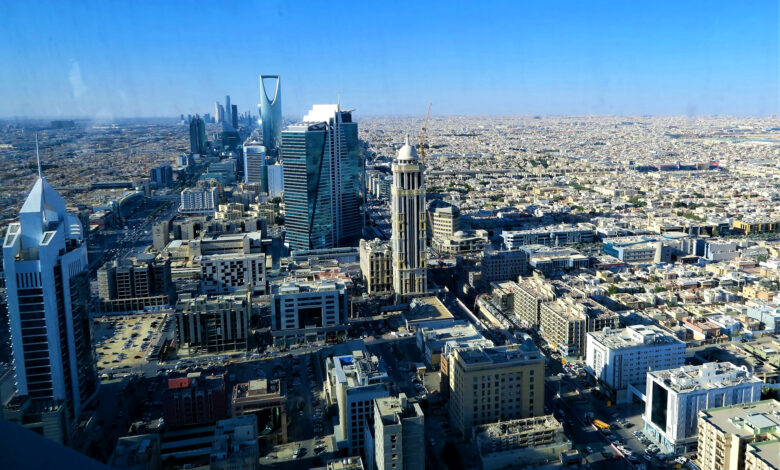
Saudi Arabia Role — Saudi Arabia’s Role in Iran-US Deal: Crown Prince’s Strategic Position — breakdown of Saudi Arabia’s role in the current regional crisis, Riyadh’s strategic calculations, and what it means for Pakistan-Saudi ties. Nai Khabar’s foreign affairs desk explains the key moves.
Saudi Arabia, under Crown Prince Mohammed bin Salman’s leadership, has positioned itself as a crucial player in the Iran-US peace negotiations. Despite historical rivalry with Iran, Riyadh has adopted a pragmatic approach that balances security concerns with economic interests and regional stability. Here’s how Saudi Arabia is shaping the outcome.
Saudi Arabia Role: Key Context & Background
This section provides additional context on saudi arabia role — including background, key players, and the Pakistani perspective that shapes our reporting on saudi arabia role.
Saudi-Iran Rapprochement
The 2023 Saudi-Iran normalization deal, brokered by China, laid the groundwork for the current moment. That agreement restored diplomatic relations after years of tension. Now, this relationship is being tested in the most severe regional crisis in decades.
The 2023 Agreement’s Legacy
Key elements of the normalization that proved crucial:
- Reopening of embassies in both countries
- Commitment to non-interference
- Economic cooperation framework
- Coordinated approach to regional issues
- Direct communication channels
Crown Prince’s Calculations
Crown Prince Mohammed bin Salman’s approach to the Iran crisis reflects sophisticated strategic thinking. His Vision 2030 economic diversification plan requires regional stability, making him prefer diplomatic solutions over military escalation.
MBS’s Priorities
- Vision 2030 success requires stability
- Oil market stabilization crucial
- NEOM and giga-projects need security
- Tourism development requires peace
- Economic diversification success
- Regional leadership consolidation
Shehbaz Sharif Meeting
Prime Minister Shehbaz Sharif’s recent meeting with Crown Prince Mohammed bin Salman in Riyadh was particularly significant. The discussions covered multiple dimensions of the Iran crisis and Pakistan’s mediation role.
Key Discussion Points
The two leaders reportedly covered:
- Pakistan’s mediation efforts with Iran
- Saudi security concerns and red lines
- Economic support for Pakistan
- Oil supply commitments
- Mutual defense pact activation scenarios
- Regional anti-terrorism cooperation
Saudi Defense Pact with Pakistan
Saudi Arabia and Pakistan maintain a mutual defense pact. During the Iran crisis, Pakistan has had to carefully balance this commitment with its mediation role. Saudi forces have been on alert throughout the crisis, with Pakistani military cooperation ensuring readiness.
Saudi Military Posture
- Enhanced air defense deployments
- Naval forces on high alert
- Border security strengthened
- Intelligence cooperation increased
- Joint exercise programs active
Economic Dimensions
Saudi Arabia’s economic leverage plays a crucial role. As the world’s largest oil exporter and a major investor, Riyadh can shape outcomes through economic means more than military ones.
Saudi Economic Tools
- Oil production level decisions
- Investment commitments to Pakistan
- Emergency funding for Iran if needed
- Trade agreements as incentives
- Pilgrimage facilitation
OPEC+ Dynamics
Saudi Arabia’s OPEC+ leadership has been crucial during the oil price volatility. Decisions about production levels, coordinating with Russia, and responding to market needs have kept prices from becoming completely uncontrollable.
Saudi Oil Strategy
During the crisis, Saudi Arabia has:
- Increased production to offset Iranian absence
- Maintained strategic communications with Iran
- Coordinated with UAE and Kuwait
- Provided crisis support to affected allies
- Managed Western pressure for price cuts
Religious Dimension
As custodian of Islam’s holiest sites, Saudi Arabia carries unique religious weight. The crisis has raised religious tensions, but Saudi leadership has carefully managed the Sunni-Shia dimension to prevent escalation.
Relations with United States
Saudi-US relations have evolved significantly under Trump. The Kingdom remains America’s most important regional ally but has developed more independent foreign policy. This balance has been crucial during the current crisis.
Complex US Partnership
- Security cooperation continues
- Arms purchases maintained
- But more independent diplomacy
- Chinese partnership expanded
- Russia relationships maintained
Future Regional Architecture
The current crisis may be shaping a new regional architecture:
- Iran and Saudi Arabia managing rivalry
- Pakistan as broader mediator
- Turkey increasing role
- Qatar maintaining mediation
- UAE balancing carefully
- Oman continuing neutral role
What Saudi Arabia Wants
Riyadh’s preferred outcomes from the crisis include:
- Resolution without major military action
- Iranian nuclear program constrained
- Shipping routes reopened
- Oil prices stabilized at reasonable levels
- Regional security framework
- Enhanced Saudi diplomatic prestige
Saudi Arabia’s role in the Iran-US deal demonstrates how Middle Eastern geopolitics has fundamentally shifted. Gone are the days of simple Sunni-Shia proxy conflicts. Today’s region features complex multi-polar diplomacy with economic interests often trumping traditional rivalries.
Related Stories on Nai Khabar
Frequently Asked Questions
What is Saudi Arabia’s role in this crisis?
Saudi Arabia plays a key mediating and economic role in regional affairs, balancing its Iran relationship with US ties. The Kingdom’s current position is analyzed in the article above.
How does this affect Pakistan?
Saudi-Pakistan relations involve remittances (3 million+ Pakistanis work in Saudi Arabia), oil supply arrangements, financial support, and Hajj coordination. Saudi regional moves directly impact Pakistan’s economy and diaspora.
What is Saudi Arabia’s strategic calculation?
Riyadh weighs economic diversification (Vision 2030), Iran normalization, US alliance, and regional leadership. Each decision balances these factors. Full strategic analysis above.
Related Stories

 Biden condemns Muslim boy’s murder as a “horrific act of hate.October 16, 2023
 Bangladesh to Clear Energy Bills Ahead of ElectionJuly 29, 2023