
Trump Strait Hormuz — Trump’s Strait of Hormuz Ultimatum: What NATO’s Rejection Means — complete coverage of the latest Trump-related development, why it matters for Pakistan, and how it fits into the broader US foreign policy picture. Below we break down the facts, the context, and the impact.
US President Donald Trump’s recent ultimatum regarding the Strait of Hormuz has caused significant diplomatic ripples. NATO’s refusal to back the ultimatum represents a rare moment of transatlantic disagreement and highlights growing tensions within the Western alliance over Middle East policy.
Trump Strait Hormuz: Key Context & Background
This section provides additional context on trump strait hormuz — including background, key players, and the Pakistani perspective that shapes our reporting on trump strait hormuz.
The Trump Ultimatum
President Trump delivered an ultimatum demanding that Iran completely reopen the Strait of Hormuz within a specified timeframe or face unilateral US military action. The statement caught European allies by surprise and triggered emergency consultations within NATO headquarters in Brussels.
Key Demands
- Complete removal of all Iranian mines in the Strait
- Guarantee of free passage for all commercial vessels
- Withdrawal of Iranian naval forces from international waters
- Acceptance of international inspection of Iranian maritime facilities
- Commitment not to interfere with global oil shipments
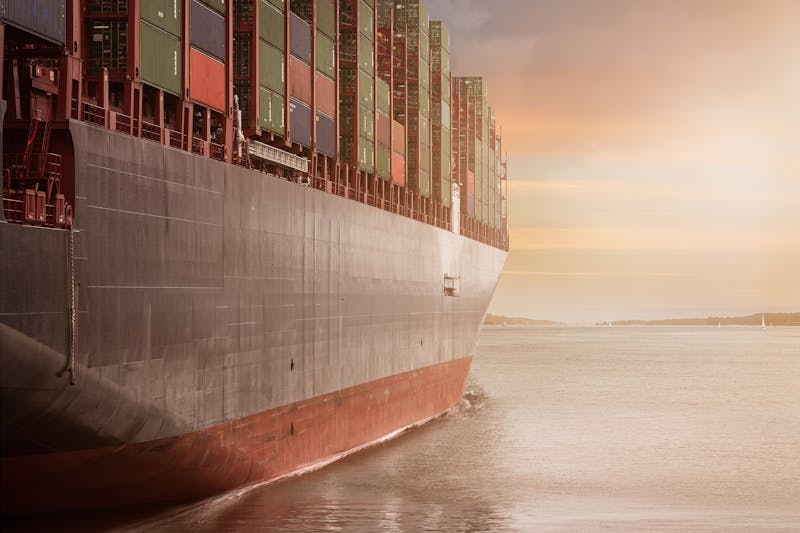
NATO’s Stunning Rejection
In an unusual move, Spain led the charge in rejecting Trump’s call for NATO involvement. The Spanish Foreign Minister stated clearly that “the Strait of Hormuz falls outside NATO’s remit” — essentially telling Washington that the alliance would not automatically support unilateral American action in the Middle East.
Why Europe Pushed Back
European allies have grown increasingly uncomfortable with some US foreign policy decisions. Concerns include:
- Risk of being drawn into a major war
- Economic damage from prolonged oil disruption
- Lack of consultation before American statements
- Different strategic calculations about Iran
- Legal questions about NATO’s geographic scope

Spain Takes the Lead
Spain’s position was particularly noteworthy. A recent poll showed Spaniards view Trump as a greater threat to world peace than even Russia’s Putin. This public sentiment influenced the Spanish government’s willingness to publicly reject the ultimatum. Spain’s foreign minister cited legal and practical reasons for the rejection.
Legal Basis
Technically, NATO’s Article 5 mutual defense clause applies to attacks on member states. The Strait of Hormuz, while economically vital, is not within the geographic scope that automatically triggers collective defense. Any military action there would require specific NATO decision-making procedures.
Impact on Transatlantic Relations
The public disagreement highlights growing fractures in the Western alliance. European leaders are increasingly willing to publicly distance themselves from US positions they view as reckless or unwise. This has significant implications for future cooperation on security, trade, and diplomacy.
Growing Tensions
Several other points of friction exist between the US and its European allies:
- Trade tariffs imposed by Washington
- Disputes over climate change policy
- Different approaches to China
- Varying positions on Ukraine-Russia conflict
- Disagreements on Middle East strategy

Other NATO Members React
While Spain led the public rejection, other NATO members quickly aligned. France, Germany, and Italy all expressed reservations about being drawn into a Middle East conflict. Only a few members, primarily Eastern European nations, expressed solidarity with the US position.
The UK’s Awkward Position
Britain faced particular challenges. Traditionally the US’s closest ally, the UK found itself torn between maintaining the special relationship and aligning with European partners. Prime Minister’s office issued a carefully worded statement that neither fully supported nor rejected the ultimatum.
Trump’s Response
The US president has reportedly been furious at the European rejection. In characteristic fashion, he has threatened consequences for NATO members who don’t support American positions. These threats include questioning US commitment to NATO Article 5 and potentially reviewing military commitments.
Strategic Implications
This public disagreement has several important consequences:
- Iran may feel emboldened by NATO’s division
- China and Russia can exploit Western disunity
- Alternative mediators (like Pakistan) gain importance
- Future US military action faces higher bar
- Long-term NATO cohesion is questioned
What Happens Next
The standoff over the Strait of Hormuz continues. Without NATO backing, the US faces limited options. Economic sanctions, diplomatic pressure, and coalition of willing nations are being considered. Meanwhile, alternative peace efforts led by Pakistan and others are gaining traction.
The long-term impact of this crisis on Western unity and US leadership in global affairs remains to be seen. However, it’s clear that the post-Cold War era of automatic alliance support for American initiatives is evolving rapidly.
Related Stories on Nai Khabar
Frequently Asked Questions
What did Trump announce?
This report covers the latest statement or decision from former US President Donald Trump, including the official wording, timing, and context. Verified details are provided in the article above.
How does this affect Pakistan?
US policy decisions under Trump influence Pakistan through trade, aid, counter-terrorism cooperation, and regional diplomacy — particularly on Afghanistan and Iran. The specific impact depends on the nature of the announcement.
What happens next?
Analysts expect further diplomatic developments in the coming days. Nai Khabar will update this story as new information becomes available. Bookmark this page for the latest.
Related Stories

 Gilgit-Baltistan Education Minister removed from terror listNovember 18, 2023
 Pakistan: Govt Slashes Petrol Price by Rs 40October 16, 2023