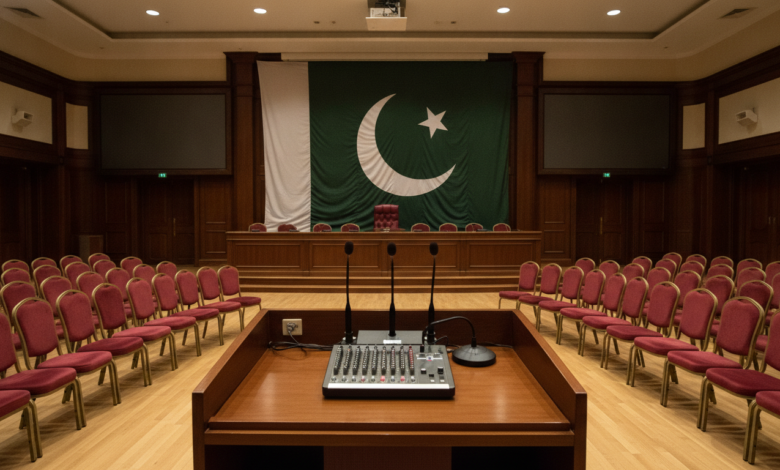
Islamabad Accord Pakistan — Islamabad Accord: Pakistan Proposes Two-Phase Ceasefire to End Iran-US War — here’s the latest on the Iran-US confrontation and its impact on Pakistan, oil markets, and regional security. This report breaks down the key developments, verified facts, and what they mean for Pakistani readers.
Islamabad Accord Pakistan: Key Context & Background
This section provides additional context on islamabad accord pakistan — including background, key players, and the Pakistani perspective that shapes our reporting on islamabad accord pakistan.
Pakistan Proposes Historic Islamabad Accord
Pakistan has proposed a groundbreaking two-phase ceasefire plan to end the US-Israel war on Iran. Dubbed the Islamabad Accord, this plan could end the 38-day conflict that has killed thousands and triggered a global energy crisis.
The Two-Phase Plan
Phase 1: An immediate ceasefire with reopening of the Strait of Hormuz. Phase 2: A 15-20 day window to finalize a broader settlement including Iran nuclear commitments in exchange for sanctions relief and release of frozen assets. Final talks would take place in Islamabad.
Behind the Scenes
Pakistan Army Chief Field Marshal Asim Munir has been in contact all night with US Vice President JD Vance, Special Envoy Steve Witkoff, and Iranian Foreign Minister Araghchi. Express Tribune confirms Pakistan shared the framework simultaneously with both sides.
Iran Response
Iran will not reopen the strait under a temporary ceasefire, demanding full compensation for war damages first. But Foreign Minister Araghchi has signaled willingness to join talks, the most positive sign since the war began.
Global Significance
If successful, this would be Pakistan’s greatest diplomatic achievement in decades, ending a war that killed 3,500+ Iranians and caused $109/barrel oil prices.
Follow on Nai Khabar World News.
Related Stories on Nai Khabar
Frequently Asked Questions
What is the current status of the Iran-US conflict?
As of April 2026, the Iran-US confrontation remains tense with active diplomatic efforts underway. Pakistan has positioned itself as a potential mediator, while oil markets remain volatile around Strait of Hormuz developments.
How does the Iran crisis affect Pakistan?
Pakistan is directly affected through higher oil prices (Pakistan imports 80%+ of its petroleum), shifts in remittances from Gulf workers, and regional security implications. The State Bank of Pakistan monitors currency impact closely.
What should Pakistani citizens know about this?
Pakistani citizens should monitor official government advisories, expect fuel price adjustments, and stay informed through verified news sources. Expat Pakistanis in Iran and neighboring regions should contact their embassy for registration.
Related Stories


 Supreme Court affirmative action decisionJune 30, 2023