Iran War 2026 Complete Timeline: 40 Days From Khamenei Assassination to Ceasefire — here’s the latest on the Iran-US confrontation and its impact on Pakistan, oil markets, and regional security. This report breaks down the key developments, verified facts, and what they mean for Pakistani readers.
The 2026 Iran war began with the assassination of Iran’s Supreme Leader Ali Khamenei and escalated into the largest military confrontation in the Middle East in over two decades. After 38 days of intense fighting, a two-week ceasefire was finally reached on April 7, 2026. Here is the complete day-by-day timeline of the conflict that shook the world.
Iran War 2026: Key Context & Background
This section provides additional context on iran war 2026 — including background, key players, and the Pakistani perspective that shapes our reporting on iran war 2026.
Week 1: The War Begins (February 28 – March 6)
February 28, 2026 – Day 1: The Assassination
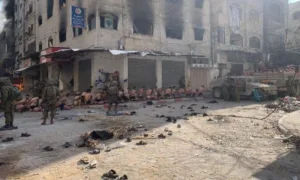
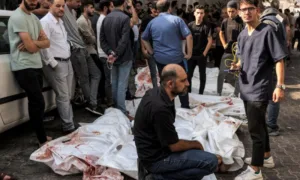
The United States and Israel launched coordinated airstrikes on sites and cities across Iran. Supreme Leader Ali Khamenei was assassinated in an Israeli air attack on his compound. Early on March 1, Iranian state media confirmed Khamenei’s death. According to Britannica and Wikipedia, the strikes inflicted over a hundred civilian casualties and targeted multiple Iranian military and government installations.
March 1-2 – Iran’s Response
Iran responded with missile and drone strikes against Israel, US bases, and US-allied countries in the Middle East. In a major escalation, Iran closed the Strait of Hormuz to most maritime traffic, cutting off approximately 20% of the world’s oil supply. The Iranian government declared 40 days of mourning for Khamenei. Brent crude oil surged 10-13% to over $80 per barrel within hours.
March 3-6 – Escalation
Both sides intensified military operations. The US deployed additional carrier strike groups to the region. Iran launched ballistic missiles at US bases in Iraq and the Gulf states. Oil prices continued climbing as the Strait of Hormuz remained closed.
Week 2-3: The Oil Shock (March 7 – March 20)
On March 8, Brent crude surpassed $100 per barrel for the first time in four years. According to Bloomberg, prices eventually peaked at $126 per barrel. The International Energy Agency characterized the disruption as “the largest supply disruption in the history of the global oil market.” Countries worldwide began emergency fuel rationing. The Dallas Federal Reserve projected that the closure could lower global GDP growth by 2.9 percentage points.
March 10 – Pakistan’s Austerity
Pakistan announced emergency austerity measures including a four-day work week and school closures to conserve fuel.
March 11 – Most Intense Day
US War Secretary Pete Hegseth called it the “most intense day of strikes inside Iran.” Massive bombardment targeted Iranian military infrastructure.
Week 4-5: Diplomatic Efforts Begin (March 21 – April 3)
As the humanitarian and economic toll mounted, diplomatic channels opened. Pakistan emerged as the primary mediator, leveraging relationships with both Washington and Tehran.
March 29 – Islamabad Talks
Pakistan hosted talks where Pakistan, Egypt, Turkey, and Saudi Arabia formed a committee to support a ceasefire. Pakistan secured a deal allowing Pakistani ships through the Strait of Hormuz.
March 31 – Gas Prices Hit $4
US gas prices hit $4 per gallon, a 30% surge. The Philippines declared a national emergency. Global economic pressure for a ceasefire intensified.
April 2 – Pakistan-China Peace Plan
Pakistan’s foreign minister met with China’s counterpart in Beijing, resulting in a joint five-part peace plan.
Week 6: The Breakthrough (April 4 – April 7)
April 5 – Trump’s Ultimatum
Trump threatened to attack Iran’s power plants and bridges if the Strait of Hormuz was not reopened within two days.
April 6 – Day 38: Intense Negotiations
CNN reported “Day 38 of Middle East conflict” with Trump holding a press conference and Iran initially rejecting a 45-day ceasefire proposal. Pakistan proposed a “two-phased” truce deal. Iran submitted its 10-point peace proposal.
April 7 – Ceasefire Announced
In a dramatic turn, both sides agreed to Pakistan’s two-week ceasefire proposal. Trump announced the suspension of attacks. Iran’s Supreme National Security Council confirmed acceptance. The Strait of Hormuz would reopen with Iranian coordination. Peace talks were scheduled for April 10 in Islamabad. Oil prices dropped 5% immediately.
The Cost of 40 Days of War
- Oil Prices: From $70 to $126 per barrel at peak
- Economic Impact: Global GDP growth reduced by estimated 2.9 percentage points
- Fuel Rationing: Multiple countries including Philippines declared emergencies
- Pakistan: Fuel prices up 54.9%, LNG imports collapsed to 2 shipments from 8-12
- Strait of Hormuz: Closed for 38 days, blocking 20% of global oil supply
What Happens in the Next Two Weeks
The ceasefire clock is now ticking. The April 10 Islamabad peace talks will determine if this temporary pause becomes a permanent peace. Iran’s 10-point plan remains the negotiating framework. The world holds its breath as Pakistan hosts what could be the most consequential peace talks of the 21st century.
Sources: Wikipedia, Britannica, CNN, Bloomberg, IEA, Dallas Fed, Al Jazeera, NPR, Axios, PBS, Time, WEF
Related Stories on Nai Khabar
Frequently Asked Questions
What is the current status of the Iran-US conflict?
As of April 2026, the Iran-US confrontation remains tense with active diplomatic efforts underway. Pakistan has positioned itself as a potential mediator, while oil markets remain volatile around Strait of Hormuz developments.
How does the Iran crisis affect Pakistan?
Pakistan is directly affected through higher oil prices (Pakistan imports 80%+ of its petroleum), shifts in remittances from Gulf workers, and regional security implications. The State Bank of Pakistan monitors currency impact closely.
What should Pakistani citizens know about this?
Pakistani citizens should monitor official government advisories, expect fuel price adjustments, and stay informed through verified news sources. Expat Pakistanis in Iran and neighboring regions should contact their embassy for registration.
Related Stories
 Gaza: A Humanitarian CatastropheDecember 8, 2023

- Iran’s President Urges Unity Against IsraelOctober 12, 2023