Pakistani Currency Faces Mounting Pressure Amid Debt Repayment Woes — full coverage and analysis on Nai Khabar. Below we break down the key facts and what this development means.
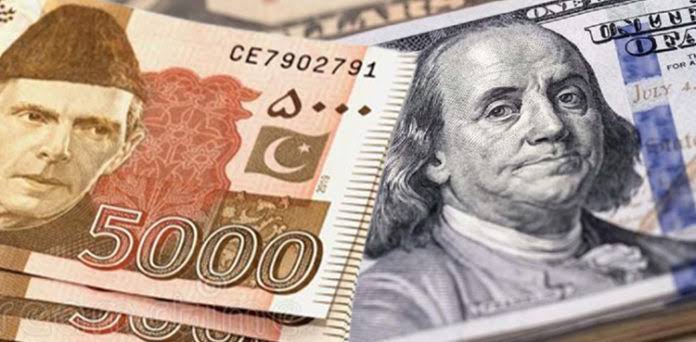
The Pakistani currency continues to experience a downward trend, extending its losing streak for the third consecutive working day. The depreciation comes as Pakistan grapples with mounting debt repayment pressures in the final month of the current fiscal year. With analysts predicting a potential sharp devaluation if expected loan rollovers and refinancing are delayed, the currency’s recent drop to a three-week low against the US dollar highlights the challenges the country faces in managing its financial stability.
Pakistani Currency Faces: Key Context & Background
This section provides additional context on pakistani currency faces — including background, key players, and the Pakistani perspective that shapes our reporting on pakistani currency faces.
The Current State of Pakistani Currency:
1.1 Overview of Recent Performance:
Over the past three working days, the Pakistani currency has faced significant devaluation against the US dollar. On Tuesday, it dropped 0.12%, or Rs0.34, reaching a three-week low at Rs287.97 in the inter-bank market. This decline is a cause for concern for the country’s economy as it signals increasing instability in its financial sector.
1.2 Factors Contributing to the Depreciation:
One of the key factors impacting the Pakistani currency is the mounting debt repayment pressure faced by the country. As the current fiscal year draws to a close, the urgency to fulfill financial obligations intensifies. Delayed loan rollovers and refinancing further amplify concerns, leading to a potential devaluation of the currency. The ripple effects of this depreciation can have far-reaching consequences for various sectors of the economy.
Implications of Currency Depreciation:
2.1 Inflationary Pressures:
Currency depreciation often results in higher inflation rates. As the value of the Pakistani currency weakens against the US dollar, the cost of imported goods and commodities increases. This, in turn, leads to higher consumer prices, affecting the purchasing power of individuals and potentially causing social and economic hardships.
2.2 External Debt Burden:
Pakistan’s increasing external debt burden amplifies the challenges posed by currency depreciation. As the local currency weakens, the repayment of foreign loans becomes more costly. The government may face difficulties meeting its debt obligations, potentially leading to a cycle of borrowing to repay previous loans, further burdening the country’s financial health.
2.3 Investment and Business Confidence:
Currency instability can deter foreign investors and erode business confidence in the Pakistani market. Uncertainty surrounding the exchange rate hampers investment decisions and can lead to a reduction in foreign direct investment. This lack of investment inflows can hinder economic growth and job creation in the country.
Steps to Address the Situation:
3.1 Strengthening Fiscal Management:
Efforts to improve fiscal management and reduce reliance on external borrowing are crucial to stabilizing the currency. This entails implementing prudent fiscal policies, promoting fiscal discipline, and enhancing revenue generation to reduce the debt burden.
3.2 Structural Reforms and Diversification:
Pakistan needs to prioritize structural reforms to diversify its economy and reduce dependence on specific sectors. Encouraging investment in non-traditional industries, such as technology, renewable energy, and manufacturing, can help stimulate economic growth and reduce vulnerability to external shocks.
3.3 Enhanced Export Competitiveness:
Boosting export competitiveness is vital for improving Pakistan’s balance of payments and strengthening the currency. The government should focus on creating an enabling environment for businesses, facilitating trade agreements, and investing in quality infrastructure to enhance export capabilities.
The Role of International Support:
International support and assistance can play a significant role in stabilizing Pakistan’s economy. Collaborative efforts with international financial institutions and bilateral partners can help secure favorable terms for loan rollovers and refinancing, providing temporary relief and reducing the risk of severe currency devaluation.
Conclusion:
The sustained depreciation of the Pakistani currency against the US dollar over three consecutive working days underscores the mounting debt repayment pressure faced by the country. Addressing this issue
Related Stories on Nai Khabar
Related Stories

 Karachi Police Crackdown: 28 Encounters, 755 Arrests in One WeekNovember 26, 2023