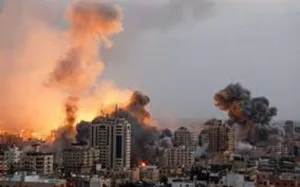
Iran Partially Opens Strait of Hormuz for Essential Goods: What It Means
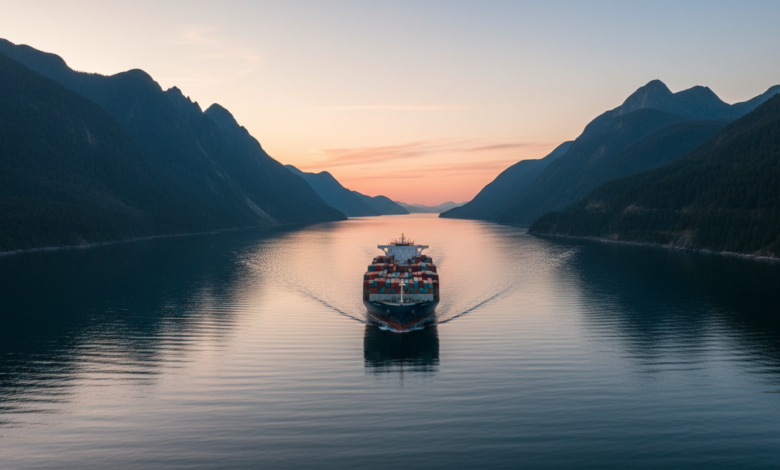
Iran Partially Opens Strait of Hormuz for Essential Goods: What It Means — here’s the latest on the Iran-US confrontation and its impact on Pakistan, oil markets, and regional security. This report breaks down the key developments, verified facts, and what they mean for Pakistani readers.
Iran Partially Opens: Key Context & Background
This section provides additional context on iran partially opens — including background, key players, and the Pakistani perspective that shapes our reporting on iran partially opens.
Iran Offers Partial Opening of Strait of Hormuz
Iran announced it will grant permission for vessels carrying essential goods to pass through the Strait of Hormuz, according to state-run Tasnim news agency on April 5, 2026. This partial opening comes amid intense global pressure and Trump’s 48-hour ultimatum threatening “hell” if the waterway remains blocked.
What Counts as Essential Goods?
The definition of “essential goods” remains unclear. Iran has not specified which items qualify or whether it will maintain its blockade on vessels from nations it considers hostile. Energy analysts warn that oil tankers may still be blocked, meaning the global energy crisis could continue despite this announcement.
Global Impact of the Blockade
Since Iran closed the strait in early March, the 2026 Strait of Hormuz crisis has disrupted 20% of global oil supplies. Oil prices surged past $109 per barrel. Countries across Asia, Africa, and South America have faced severe fuel shortages. The UK is leading talks with 40 countries to find a permanent solution.
Will This Ease the Crisis?
Analysts are skeptical that this partial opening will significantly reduce oil prices or resolve the energy crisis. Without unrestricted passage for oil tankers, the fundamental supply disruption continues. The next 48 hours are critical as Trump’s deadline approaches.
Follow developments on Nai Khabar World News and Business.
Related Stories on Nai Khabar
Frequently Asked Questions
What is the current status of the Iran-US conflict?
As of April 2026, the Iran-US confrontation remains tense with active diplomatic efforts underway. Pakistan has positioned itself as a potential mediator, while oil markets remain volatile around Strait of Hormuz developments.
How does the Iran crisis affect Pakistan?
Pakistan is directly affected through higher oil prices (Pakistan imports 80%+ of its petroleum), shifts in remittances from Gulf workers, and regional security implications. The State Bank of Pakistan monitors currency impact closely.
What should Pakistani citizens know about this?
Pakistani citizens should monitor official government advisories, expect fuel price adjustments, and stay informed through verified news sources. Expat Pakistanis in Iran and neighboring regions should contact their embassy for registration.
Related Stories
 Apple India: iPhone Prices and AvailabilityOctober 18, 2023

 Israel may invade Gaza, UN warns of disasterOctober 11, 2023