Silent Crises Pakistani — Silent crises: 177,000 Pakistani children lost to malnutrition — full coverage and analysis on Nai Khabar. Below we break down the key facts, background context, and what this development means going forward.
Write on Child Stunting in Pakistan
Silent Crises Pakistani: Key Context & Background
This section provides additional context on silent crises pakistani — including background, key players, and the Pakistani perspective that shapes our reporting on silent crises pakistani.
Write about the Current Situation in Pakistan
In Pakistan, 40% of children under the age of five have stunted growth. Over the past three decades, there has been very little progress made worldwide in reducing child stunting, making Pakistan one of the few nations where the rate of stunting remains high.
Write on the Impact of Stunting on Development
Stunting is a disorder that causes several pathological changes in a child during the first 1000 days of life. These changes impair the child’s cognitive and physical development, which lowers educational attainment, lowers economic output, and lowers earning potential.

Write about the Economic Consequences
A youngster born in Pakistan today is expected to be only 40% as productive as they can be when they reach the age of 18. In a country with the lowest labor productivity, this happens to add much fuel to the fire. Throughout life, the risk of metabolic disorders, including diabetes, high blood pressure, and cardiovascular diseases, has also significantly increased, raising the expense of healthcare for families and society as a whole.
Pakistan’s growth potential is being hindered by its inability to handle the public health crisis urgently, which is also affecting its capacity to lower poverty and enhance the standard of living.
Write on Malnutrition and Triple Burden
Pakistan is currently dealing with a triple burden of malnutrition, including a persistent rise in obesity, micronutrient deficiencies, and undernutrition. In South Asia, Pakistan has the highest rate of stunted children, which is a sign of chronic malnutrition in children under five.
Write about Statistics of Malnutrition
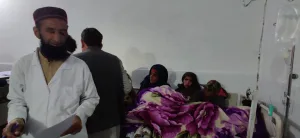
In Pakistan, almost 40% of the population is stunted, 18% is wasted, 29% is underweight, and over 50% is anemic. 177,000 children lose their lives every year because of malnutrition. The province of Sindh has a significantly higher than average rate of stunting (46 percent), underweight prevalence (41 percent), and wasting prevalence (23 percent).
Write on the Potential Benefits of Nutrition
Enhancing nutrition can lead to more equitable and sustainable growth, raise salaries by 5–50%, improve school attainment by at least a year, and increase gross domestic product (GDP) by 4–11% in Asia and Africa. According to the report commissioned by UNICEF Pakistan and the Punjab Bureau of Statistics, Government of Punjab, in Punjab, 31.5 percent of children under five suffer from stunting, and the majority of these children reside in the 11 districts of South Punjab.
Based on the available data, it appears that this is a developing problem that needs to be addressed right away. Failure to do so could have disastrous consequences for both the economy and the lives of children.
Write about the Causes of Stunting
The primary source of this problem is the early marriage of women, which raises the risk of serious illnesses in children, due to which the death rate of children increases. Even if a child survives, their height is not appropriate for their age.
Write on Additional Contributing Factors
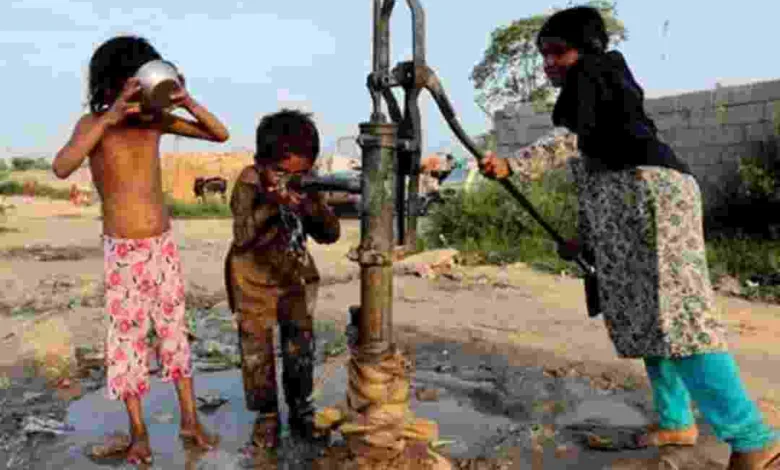
A two-year-old child will appear to be one year old. There are many other factors that are causing this problem, including exposure to environmental toxins, poor maternal health during pregnancy, inadequate breastfeeding and improper feeding practices, a lack of clean water and sanitation, poverty affecting access to healthcare and nutrient-dense food, and a lack of knowledge about appropriate childcare.
Write about Solutions for Child Stunting
While addressing socioeconomic disparities, addressing these factors entails enhancing access to wholesome food, healthcare, sanitation, and education. These issues must be addressed and resolved right away in order to prevent the destruction of a person’s life, which could be a catalyst for societal advancement.
Write on Raising Awareness and Prevention
This problem is growing because people don’t have proper awareness of it. If people don’t recognize the problem, how will they get rid of it? Therefore, the first step we can take is to raise awareness of the problem among those who are unaware of it.
Write about Practical Steps for Improvement.
Only then will we be able to combat it and stop it from getting worse. Second, we must address basic sanitation issues and supply clean water. Third, we need to address our massive waste problem, which includes both solid and animal waste, and we need to actually fix our food system because, although it may not be a problem for the poor, we do have a problem with food access for them.
Write on the Importance of Food Quality
In addition, we have a serious issue with food quality and nutrient content. These issues all need to be addressed. The elimination of child stunting will depend critically on combining these initiatives with community education on childcare practices and addressing socioeconomic disparities.
Write for a Future Without Stunting
By collaborating on these fronts, we can promote healthier surroundings for kids everywhere and strive toward a time when every child flourishes without having to worry about stunting.
The author is a student at PIDE