How the Iran War Oil Crisis Hit Pakistan: 54% Diesel Hike, LNG Shortage and Economic Emergency — here’s the latest on the Iran-US confrontation and its impact on Pakistan, oil markets, and regional security. This report breaks down the key developments, verified facts, and what they mean for Pakistani readers.
The 2026 Iran war has inflicted devastating economic damage on Pakistan, with fuel prices surging over 54%, LNG supplies collapsing, and the government declaring emergency austerity measures. As the world’s largest oil supply disruption in history enters its sixth week, Pakistan finds itself caught between its role as a peace mediator and the harsh reality of an economy under siege.
Iran War Oil: Key Context & Background
This section provides additional context on iran war oil — including background, key players, and the Pakistani perspective that shapes our reporting on iran war oil.
Fuel Price Explosion: 42.7% Petrol, 54.9% Diesel Increase
According to France 24 and Arab News, Pakistan drastically raised fuel prices in April 2026, with petrol increasing by 42.7% and diesel by a staggering 54.9%. As reported by India.com, despite Pakistan playing mediator for the US and Iran, the country saw “massive hikes in fuel prices” as global oil prices reached $110 per barrel. By early March, petrol had already hit $1.15 per litre and diesel $1.20 per litre, a 20% jump in a single week.
LNG Supply Collapse
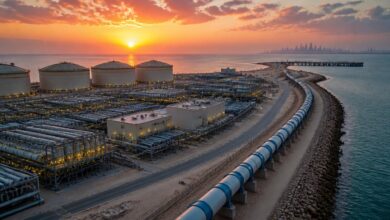
Al Jazeera reported a critical development: “How war on Iran turned Pakistan’s LNG surplus into a looming shortage.” In March, the month the war began, only 2 LNG shipments arrived in Pakistan, down from the typical 8-12 monthly shipments. Pakistan imports about 80% of its energy from the Gulf, making it one of the most vulnerable nations to the Strait of Hormuz closure.
Government Emergency Measures
In response to the crisis, Prime Minister Shehbaz Sharif announced sweeping austerity measures in March, as reported by Al Jazeera:
- A four-day work week for all government offices
- 50% of government staff ordered to work from home
- Two-week closure of educational institutions to save fuel
- Targeted fuel subsidies for low-income households
- Emergency rationing of CNG and industrial fuel
Currency and Inflation Pressure
Chatham House analysis warns that “the real macroeconomic trigger is currency depreciation, which amplifies the impact of higher oil prices on domestic inflation.” In smaller economies like Pakistan, higher oil prices transmit rapidly into inflation and exchange rate pressures through widening current account deficits. The Pakistan Rupee has faced significant pressure as the import bill balloons.
Impact on Common Pakistanis
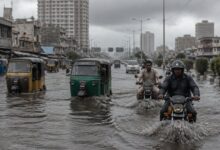
The ripple effects have been felt across every household in Pakistan. Transportation costs have doubled, food prices have surged due to expensive diesel for trucks and tractors, and electricity bills have increased as power generation costs rise. Small businesses, especially in transportation, agriculture, and manufacturing, are reporting severe losses. Time Magazine reported that the war’s impact on Asian economies has been particularly harsh for countries like Pakistan that depend heavily on imported energy.
The Ceasefire Brings Hope
The two-week ceasefire announced on April 7 brings some relief. Oil prices dropped 5% immediately after the announcement. If the Strait of Hormuz fully reopens and LNG shipments resume, Pakistan could see fuel prices stabilize within weeks. However, economists warn that the damage already done to Pakistan’s economy will take months to recover from.
What Pakistan Needs Now
Economic experts recommend Pakistan build strategic oil reserves to prevent future vulnerability, accelerate renewable energy projects, diversify energy import sources beyond the Gulf, and use its mediator status to negotiate favorable energy deals with both the US and Iran. The ceasefire is an opportunity, but Pakistan must act fast to turn diplomatic success into economic recovery.
Sources: Al Jazeera, France 24, Arab News, Chatham House, Time, CNBC, Al Jazeera Economy
Related Stories on Nai Khabar
Frequently Asked Questions
What is the current status of the Iran-US conflict?
As of April 2026, the Iran-US confrontation remains tense with active diplomatic efforts underway. Pakistan has positioned itself as a potential mediator, while oil markets remain volatile around Strait of Hormuz developments.
How does the Iran crisis affect Pakistan?
Pakistan is directly affected through higher oil prices (Pakistan imports 80%+ of its petroleum), shifts in remittances from Gulf workers, and regional security implications. The State Bank of Pakistan monitors currency impact closely.
What should Pakistani citizens know about this?
Pakistani citizens should monitor official government advisories, expect fuel price adjustments, and stay informed through verified news sources. Expat Pakistanis in Iran and neighboring regions should contact their embassy for registration.
Related Stories
 Latest Exchange Rates: USD to PKR on June 18, 2023″June 18, 2023