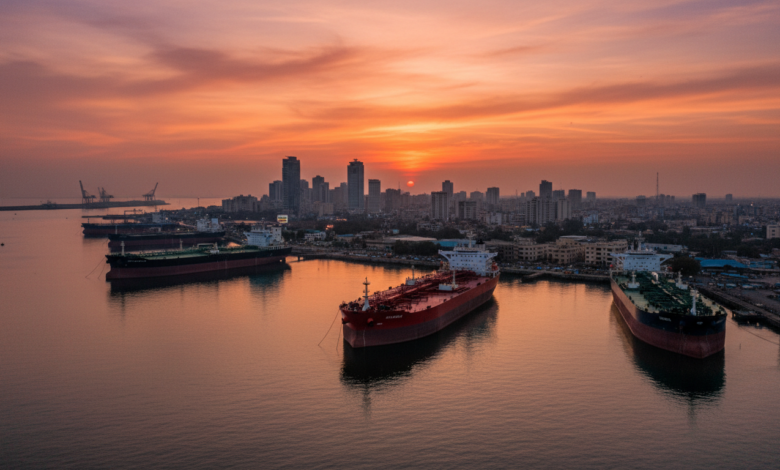
Oil Prices Surge Past $100 as Iran War Closes Strait of Hormuz – Impact on Pakistan — here’s the latest on the Iran-US confrontation and its impact on Pakistan, oil markets, and regional security. This report breaks down the key developments, verified facts, and what they mean for Pakistani readers.
Oil Prices Surge Past $100 as Iran War Disrupts Global Energy
Oil prices Iran war 2026 have surged past $100 per barrel as the ongoing conflict between the US, Israel, and Iran continues to disrupt global energy markets. The closure of the Strait of Hormuz by Iranian forces has created the most severe energy crisis since the 1970s oil embargo, sending shockwaves through economies worldwide.
Strait of Hormuz Crisis Explained
The Strait of Hormuz is the world’s most important oil chokepoint, with approximately 20% of the global oil supply and a significant portion of liquefied natural gas passing through this narrow waterway. Iran’s decision to block the strait as a retaliatory measure has effectively cut off a massive portion of global energy trade.
The United Kingdom is holding talks with about 40 countries on reopening the Strait of Hormuz, but military and diplomatic solutions remain elusive as the conflict continues to escalate.
How Oil Prices Are Affecting Pakistan
The surge in oil prices Iran war 2026 has hit Pakistan particularly hard. As a net oil importer that relies on Gulf suppliers for 80% of its petroleum needs, Pakistan faces severe fuel shortages that are crippling daily life and economic activity.
- Petrol Prices: Fuel prices in Pakistan have jumped significantly, increasing transportation costs for millions of commuters and businesses.
- Electricity Crisis: Oil and gas-powered electricity plants face fuel shortages, leading to increased load shedding across the country.
- Food Inflation: Rising transport costs are driving up food prices in markets across Pakistan.
- Industrial Slowdown: Manufacturing sectors dependent on petroleum products are scaling back production.
- Current Account Deficit: The higher oil import bill is widening Pakistan’s trade deficit and putting pressure on foreign exchange reserves.
Global Economic Consequences
The oil prices Iran war 2026 crisis extends far beyond Pakistan. Countries across South Asia, Southeast Asia, and Africa that depend on Gulf oil imports are facing similar challenges. Bangladesh, Nigeria, and Vietnam are among the nations experiencing severe fuel shortages.
Stock markets worldwide have experienced volatility, with energy stocks surging while transportation and manufacturing sectors decline. Central banks in multiple countries are reconsidering monetary policy as energy-driven inflation threatens economic stability.
Trump’s April 6 Deadline
The situation faces a critical turning point with President Trump’s April 6 deadline for Iran to reopen the Strait of Hormuz. Trump has granted Iran multiple extensions on this deadline, but has warned that failure to comply could result in further military escalation targeting Iran’s infrastructure.
Energy analysts warn that if the strait remains closed beyond April 6, oil prices could climb even higher, potentially reaching $120-150 per barrel. This would have catastrophic consequences for oil-importing nations including Pakistan.
What Can Pakistan Do?
Pakistan’s options for managing the oil crisis include accelerating negotiations through its mediator role, diversifying energy imports through alternative routes, fast-tracking renewable energy projects especially solar, releasing strategic oil reserves, and seeking emergency energy assistance from China and friendly nations.
Stay updated with the latest on business and economy news and world events on Nai Khabar.
Related Stories on Nai Khabar
Frequently Asked Questions
What is the current status of the Iran-US conflict?
As of April 2026, the Iran-US confrontation remains tense with active diplomatic efforts underway. Pakistan has positioned itself as a potential mediator, while oil markets remain volatile around Strait of Hormuz developments.
How does the Iran crisis affect Pakistan?
Pakistan is directly affected through higher oil prices (Pakistan imports 80%+ of its petroleum), shifts in remittances from Gulf workers, and regional security implications. The State Bank of Pakistan monitors currency impact closely.
What should Pakistani citizens know about this?
Pakistani citizens should monitor official government advisories, expect fuel price adjustments, and stay informed through verified news sources. Expat Pakistanis in Iran and neighboring regions should contact their embassy for registration.
Related Stories

 Simple Ways to Make $100 Per Day Writing ArticlesDecember 9, 2023