Shamanism in Gilgit-Baltistan: Rich and Ancient History
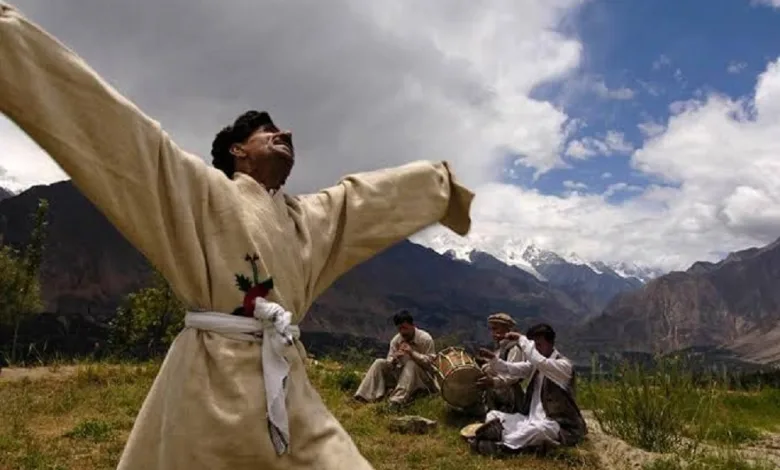
Shamanism Gilgit Baltistan — Shamanism in Gilgit-Baltistan: Rich and Ancient History — full coverage and analysis on Nai Khabar. Below we break down the key facts and what this development means.
Shamanism Gilgit Baltistan: Key Context & Background
This section provides additional context on shamanism gilgit baltistan — including background, key players, and the Pakistani perspective that shapes our reporting on shamanism gilgit baltistan.
A brief History of Shamans and Shamanism in Gilgit-Baltistan :
Shamanism in Gilgit-Baltistan has a rich and ancient history, deeply rooted in the cultural and traditional practices of the region. The rugged landscape and isolation of the area contributed to the development and preservation of shamanic beliefs and practices among the indigenous people.
The earliest signs of human settlement in Gilgit-Baltistan date back to the Stone Age, long before the advent of organized religions. Archaeological evidence and cultural sources suggest that the first known practiced religion in the region was shamanism. Shamanism, unlike the Abrahamic religions or other revealed religions, does not have a specific set of fundamental rules or principles. Instead, it is a collection of various rituals, offerings, legends of mythical creatures, and spiritual practices.
Shamanism was widespread across the world, and different regions had their unique ways of practicing it. However, a common aspect of shamanism was the role of the shaman. The shaman was believed to possess an inherent or natural ability to enter a trance state through various means such as using herbs, exposing themselves to the smoke of a bonfire, or dancing to traditional trance music.
During the trance state, the shaman was believed to be able to communicate with the spirits of ancestors and elders who had passed away. This communication served various purposes, such as seeking knowledge about the upcoming harvest season, predicting natural disasters like avalanches or storms, determining the most auspicious time for hunting, or mediating disputes by discerning rightful claims.
Shamans played a vital role in the social and spiritual life of the communities in Gilgit-Baltistan. They were revered as intermediaries between the human world and the spirit world, providing guidance, healing, and wisdom to their communities. They were responsible for performing rituals and ceremonies to maintain harmony with nature, ensure good fortune, and resolve conflicts.
With the passage of time and the influences of external cultures and religions, the prominence of shamanism in Gilgit-Baltistan has diminished. Islam, which arrived in the region during the 16th century, gradually became the dominant religion. However, traces of shamanistic practices can still be found in certain rituals and beliefs among the local communities.
In recent years, there has been a growing interest in reviving and preserving the indigenous cultural heritage of Gilgit-Baltistan, including the traditions of shamanism. Efforts are being made to document and study the remaining shamanic practices, as they provide valuable insights into the history, spirituality, and worldview of the region’s ancient inhabitants.
Overall, shamanism holds a significant place in the historical and cultural narrative of Gilgit-Baltistan, representing the spiritual connection between its people and the natural environment they inhabit.
Related Stories on Nai Khabar
Related Stories
 PM Kakar and CM Balochistan discuss law and order in QuettaOctober 10, 2023

- Prince Rahim Aga Khan Reveals 1 Dazzling IT ParkJune 8, 2024